











































 Heavy equipment operator training is a must for any workplace that uses heavy equipment. Offering training on the right topics and at the right levels is crucial to making sure your employees are equipped to do their jobs safely. Unfortunately, there is some jargon used when describing heavy equipment training that might make it difficult for you to determine which type of training is right for you or your workers. Read on to learn about five terms you may encounter when researching this type of training.
5 Heavy Equipment Operator Training Terms You Should Know
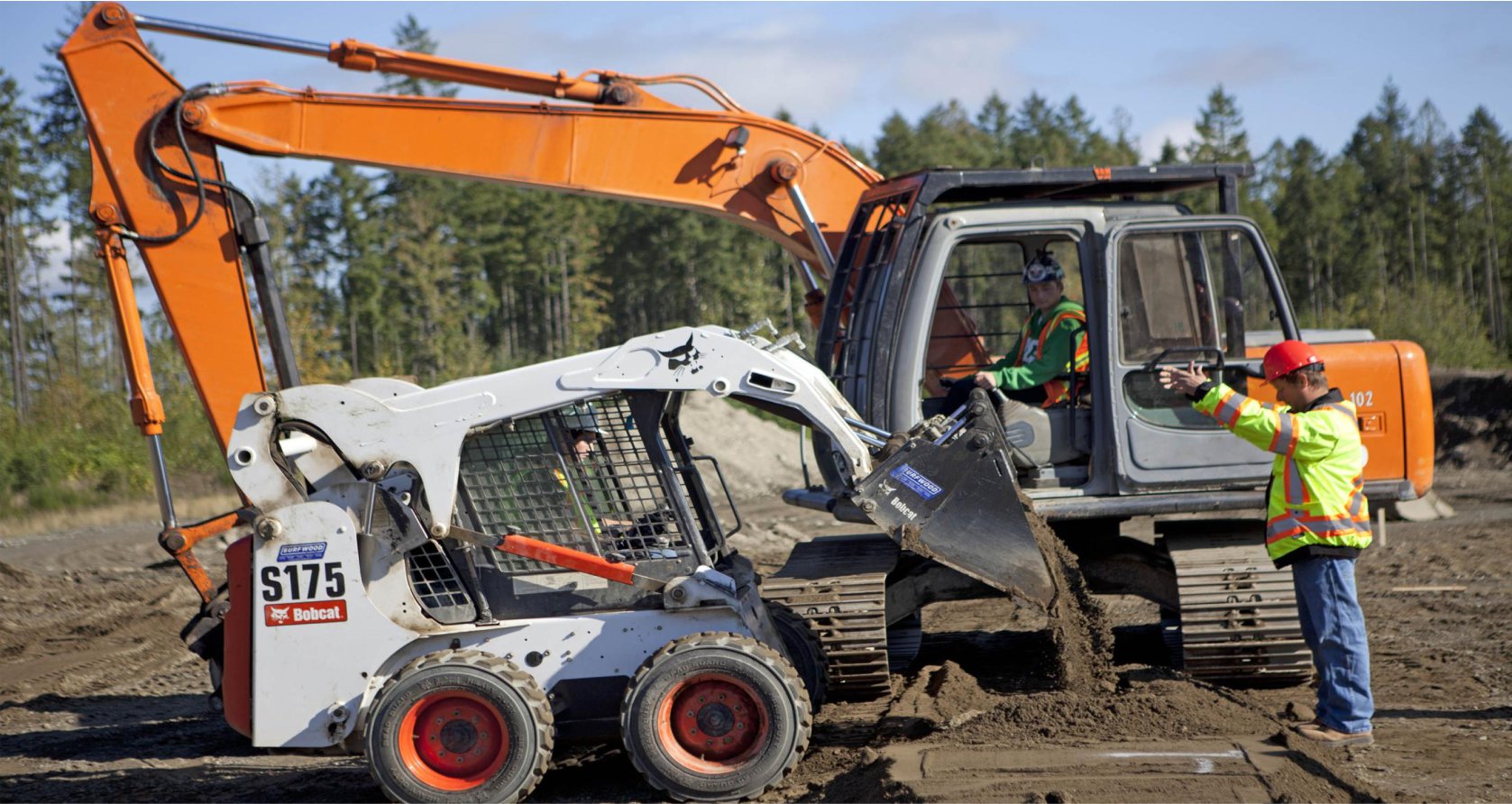
- Heavy Equipment: Heavy equipment is a broad term for many different types of machines that are used in construction, mining, and industrial workplaces. Therefore, heavy equipment training involves training in safely operating cranes, drills, pumps, compressors, bulldozers, front end loaders, backhoes, graders, and other large and potentially dangerous pieces of equipment.
- Heavy Equipment Operator: A heavy equipment operator is an employee who operates heavy equipment. This employee must have the training and certification necessary to operate such machinery safely. Heavy equipment operator training provides the skills your heavy equipment operators need to ensure your workplace is safe and productive.
- OSHA 10 and OSHA 30: Construction Safety Experts offers an OSHA training course that covers a variety of workplace safety topics, including training in heavy equipment operation. OSHA 10 and OSHA 30 are a part of this program. These two seminars are designed to provide an overview of the topics most important to workplace safety. OSHA 10 is a ten hour seminar most appropriate for entry level employees, while OSHA 30 is a more in-depth program that gives managers and supervisors a deeper understanding of safety topics.
- MSHA Training: Heavy equipment operators working in mining environments require special training to fully understand the intricacies of safe operation in their workplace. MSHA training ensures that heavy equipment operators in mining environments meet the educational requirements set out by the United State’s Department of Labor’s Mine Safety and Health Administration. This training covers part 46 & 48 of MSHA’s requirements for surface training, as well as hazard awareness training, new miner training, annual refresher training, and more.
- AISC Certification: AISC Certification is a program run by the American Institute of Steel Construction. Businesses who are AISC certified have passed a rigorous initial evaluation that proved their steel fabrication and erection process meets the AISC’s standards. Well-trained heavy equipment operators are an important part of meeting these standards.
Great heavy equipment operator training is vital to creating a great workplace. By being familiar with the training resources available to you and your workforce, you can ensure your site or workspace is safe for everyone involved.