











































 Introduction: In the complex and fast-paced environment of hospitals, medication administration errors can have severe consequences for patient safety. The integration of bedside medication scanning devices has emerged as a powerful solution to mitigate errors and improve the overall quality of healthcare delivery. This article explores the profound impact of these devices on reducing medication administration errors in the hospital setting.
 The Significance of Medication Administration Accuracy: Ensuring accurate and timely administration of medications is a critical aspect of patient care. Medication errors can lead to adverse drug reactions, treatment inefficacy, prolonged hospital stays, and, in extreme cases, life-threatening complications. Addressing this challenge requires innovative technologies that streamline processes and enhance the accuracy of medication administration.
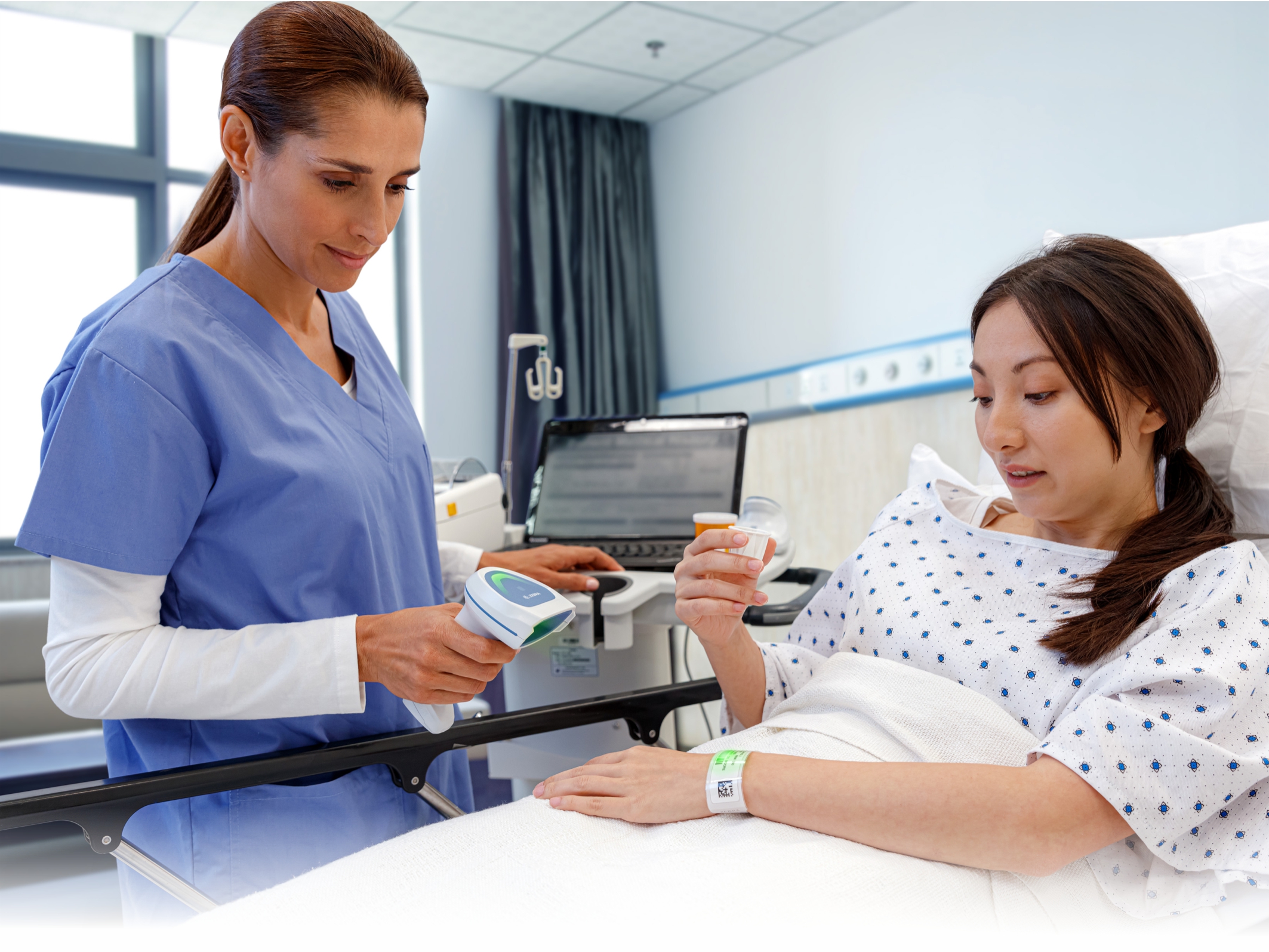
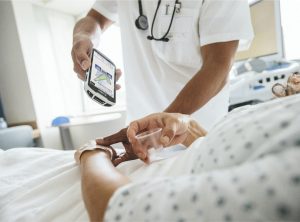
Bedside Medication Scanning Devices: A Technological Breakthrough: Bedside medication scanning devices represent a technological breakthrough designed to enhance patient safety by incorporating a systematic and foolproof approach to medication administration. These devices typically consist of handheld scanners, electronic medication administration records (eMAR), and barcode technology.
Key Features and Functions:
Barcode Scanning: Medications and patient identification wristbands are equipped with barcodes. The caregiver scans both the medication and the patient’s barcode to ensure accurate matching.
Real-Time Data Access: Bedside scanning devices connect to the hospital’s electronic health record (EHR) system, providing real-time access to crucial patient information, including allergies, prescribed medications, and administration schedules.
Alerts and Warnings: The system generates alerts for potential medication errors, such as dosage discrepancies or drug interactions, prompting caregivers to reevaluate the administration.
Impact on Administration Errors:
Prevention of Wrong Medication Administration: Bedside scanning devices significantly reduce the risk of administering the wrong medication by verifying the identity of both the patient and the medication through barcode matching.
Dosage Accuracy: The barcode scanning process ensures that the correct dosage is administered, preventing dosage errors that could compromise patient safety.
Real-Time Documentation: Medication administration is documented in real-time in the EHR, minimizing the chances of documentation errors and providing an accurate record of patient care.
Improving Workflow Efficiency: Beyond error reduction, bedside medication scanning devices contribute to streamlined workflows in hospitals. The automated data capture and integration with EHR systems eliminate manual documentation efforts, allowing healthcare professionals to focus more on direct patient care.
Challenges and Considerations: While the implementation of bedside scanning devices brings significant benefits, challenges such as staff training, technology integration, and initial setup costs need to be addressed. Hospitals must invest in comprehensive training programs and provide ongoing support to ensure the effective utilization of these technologies.
 The integration of bedside medication scanning devices represents a pivotal advancement in patient safety within the hospital setting. By leveraging barcode technology and real-time data access, these devices serve as a safeguard against medication administration errors, ultimately contributing to improved patient outcomes and the overall quality of healthcare delivery. As hospitals continue to prioritize patient safety initiatives, bedside scanning devices stand out as a critical component of a modern, technology-driven approach to medication management.