












































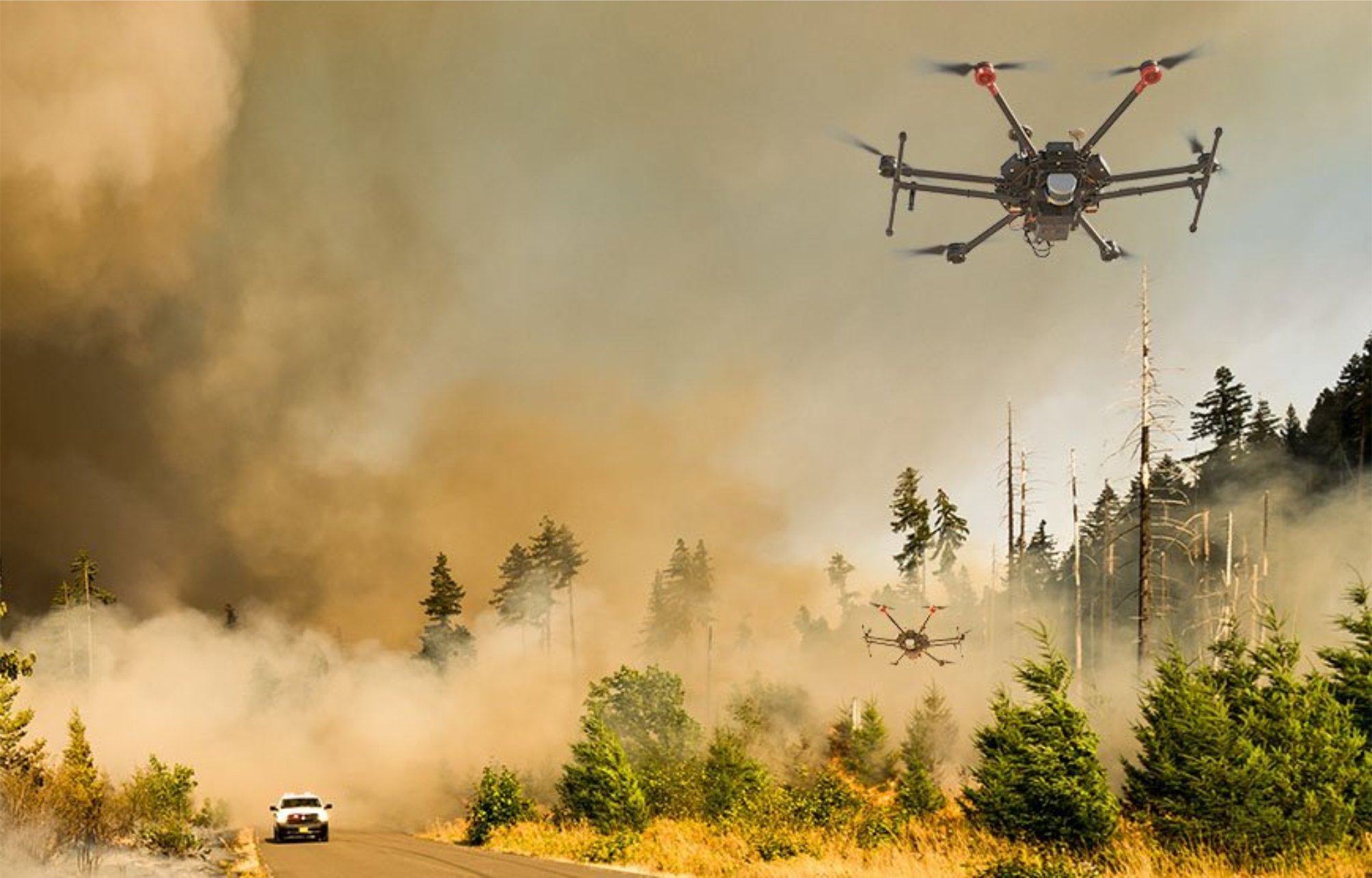
 Using drones in firefighting operations presents a promising avenue for enhancing efficiency, safety, and effectiveness across various industries, particularly in high-risk environments like the oil and gas sector. Let’s break down the key points outlined in the post from PT. Samson Tiara:
-
 Infrared Camera Integration: By equipping drones with infrared cameras, they become invaluable assets in detecting and managing specific types of fires and leaks, such as those involving Liquid Petroleum Gas (LPG), Liquified Natural Gas (LNG), and natural gas.
 - Enhanced Sizing Up: Drones facilitate rapid and accurate assessment of fire size and temperature, crucial for determining the appropriate response strategy. This data aids in resource allocation, including equipment, water volumes, personnel requirements, and overall firefighting tactics.
- Real-time Monitoring and Command: Supervisory personnel can remotely oversee firefighting operations through real-time video feeds transmitted by drones. This allows for dynamic decision-making, such as adjusting tactics based on evolving situations, identifying secondary fires, and monitoring personnel safety.
- Data Feeds: Drones provide both infrared and high-resolution video feeds, offering comprehensive insights into the fire environment. These feeds can be analyzed separately or combined to optimize decision-making and operational effectiveness.
- Aerial Deployment of Extinguishing Agents: Larger drones or Unmanned Aerial Vehicles (UAVs) can deliver firefighting agents to inaccessible or hazardous areas, complementing ground-based efforts. While not a substitute for on-the-ground personnel, aerial deployment enhances operational safety and expedites response times.
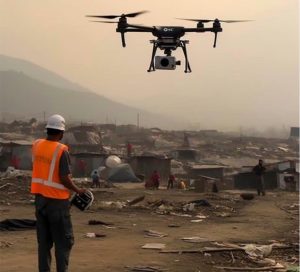 From a business-to-business perspective, integrating drones into firefighting operations presents several advantages:
- Efficiency: Drones streamline firefighting processes by accelerating assessment, decision-making, and resource allocation, ultimately reducing response times and minimizing property damage.
- Safety: By providing real-time situational awareness and enabling aerial deployment of extinguishing agents, drones enhance firefighter safety by mitigating risks associated with manual intervention in hazardous environments.
- Cost-effectiveness: Although initial investment in drone technology may be required, the long-term benefits, including reduced property damage and improved operational efficiency, justify the expenditure.
- Scalability: Drones offer scalable solutions adaptable to diverse firefighting scenarios, from industrial complexes to residential areas, catering to the needs of various clients and industries.
Overall, leveraging drones in firefighting operations represents a forward-thinking approach to risk management and emergency response, underscoring PT. Samson Tiara’s commitment to innovation and safety in the oil and gas industry.