



















































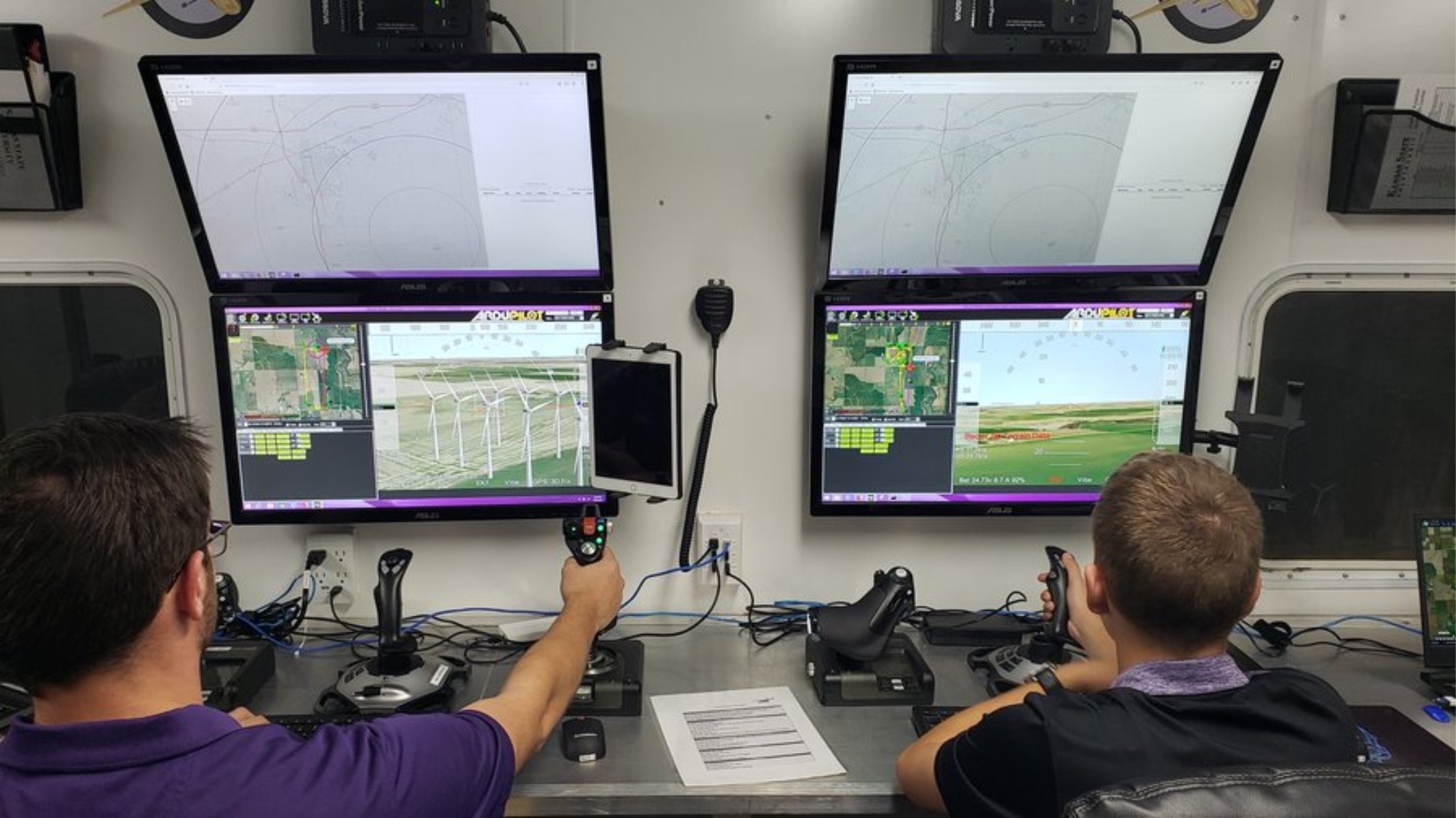
 In the dynamic landscape of modern warfare and security operations, the proficiency of drone operators is critical to mission success. Simulation-based training programs have emerged as indispensable tools for preparing operators to navigate complex mission scenarios effectively. This article delves into the pivotal role of simulation-based training in enhancing the operational readiness and proficiency of drone operators, focusing on simulated threat environments, emergency procedures, and mission planning exercises.
The Importance of Realistic Training Environments: Simulating realistic environments is essential for providing drone operators with immersive training experiences. By replicating diverse terrain, weather conditions, and operational scenarios, simulation-based training programs offer operators the opportunity to hone their skills in a controlled yet dynamic environment. This realism enhances the effectiveness of training exercises and better prepares operators for the challenges they may encounter in the field.
Navigating Simulated Threat Environments: Drone operators must be equipped to navigate hostile environments and respond effectively to potential threats. Simulation-based training enables operators to experience simulated threat scenarios, such as anti-aircraft defenses, electronic warfare, and cyber attacks, allowing them to develop strategies for evasion, countermeasures, and risk mitigation. By practicing in a safe and controlled environment, operators can enhance their situational awareness and decision-making skills under pressure.
Mastering Emergency Procedures: In high-stakes missions, the ability to respond swiftly and effectively to emergencies is paramount. Simulation-based training provides drone operators with hands-on experience in executing emergency procedures, such as system failures, communication disruptions, and emergency landings. By repeatedly practicing these procedures in simulated scenarios, operators build muscle memory and confidence, enabling them to react calmly and decisively in real-world emergencies.
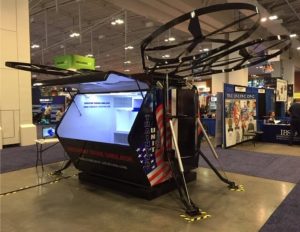 Optimizing Mission Planning and Execution: Mission planning is a critical phase of drone operations, requiring meticulous preparation and strategic foresight. Simulation-based training allows operators to refine their mission planning skills by simulating various mission objectives, operational constraints, and contingency scenarios. Through iterative practice, operators learn to develop comprehensive mission plans, optimize resource allocation, and adapt to dynamic mission requirements, ultimately enhancing mission success rates.
Enhancing Situational Awareness and Decision-Making: Effective situational awareness and decision-making are hallmarks of skilled drone operators. Simulation-based training immerses operators in realistic scenarios, challenging them to process vast amounts of information, assess risks, and make informed decisions under time constraints. By practicing in simulated environments, operators develop the cognitive skills and confidence necessary to navigate complex operational environments with precision and agility.
Measuring Performance and Continuous Improvement: Simulation-based training programs offer valuable insights into operator performance and proficiency levels. Through performance metrics, debriefings, and after-action reviews, trainers can assess individual and team performance, identify areas for improvement, and tailor training interventions accordingly. This data-driven approach facilitates continuous learning and improvement, ensuring that operators remain adaptive and responsive to evolving mission requirements.
Building Competence for Tomorrow’s Challenges: In conclusion, simulation-based training plays a pivotal role in preparing drone operators to excel in the face of evolving operational challenges.
By simulating realistic threat environments, emergency scenarios, and mission objectives, training programs enhance operators’ operational readiness, decision-making abilities, and mission success rates. As technology advances and mission requirements evolve, investing in simulation-based training will continue to be paramount in building competence and resilience among drone operators tasked with safeguarding national security and achieving mission objectives.