

















































 In today’s rapidly evolving threat landscape, industrial drones—unmanned aerial systems (UAS)—are redefining perimeter security for critical infrastructure. From refineries and ports to logistics hubs and defense facilities, traditional security measures are struggling to keep pace with the growing sophistication of intrusions, sabotage, and surveillance blind spots. Enter drones: fast, agile, intelligent, and increasingly essential.
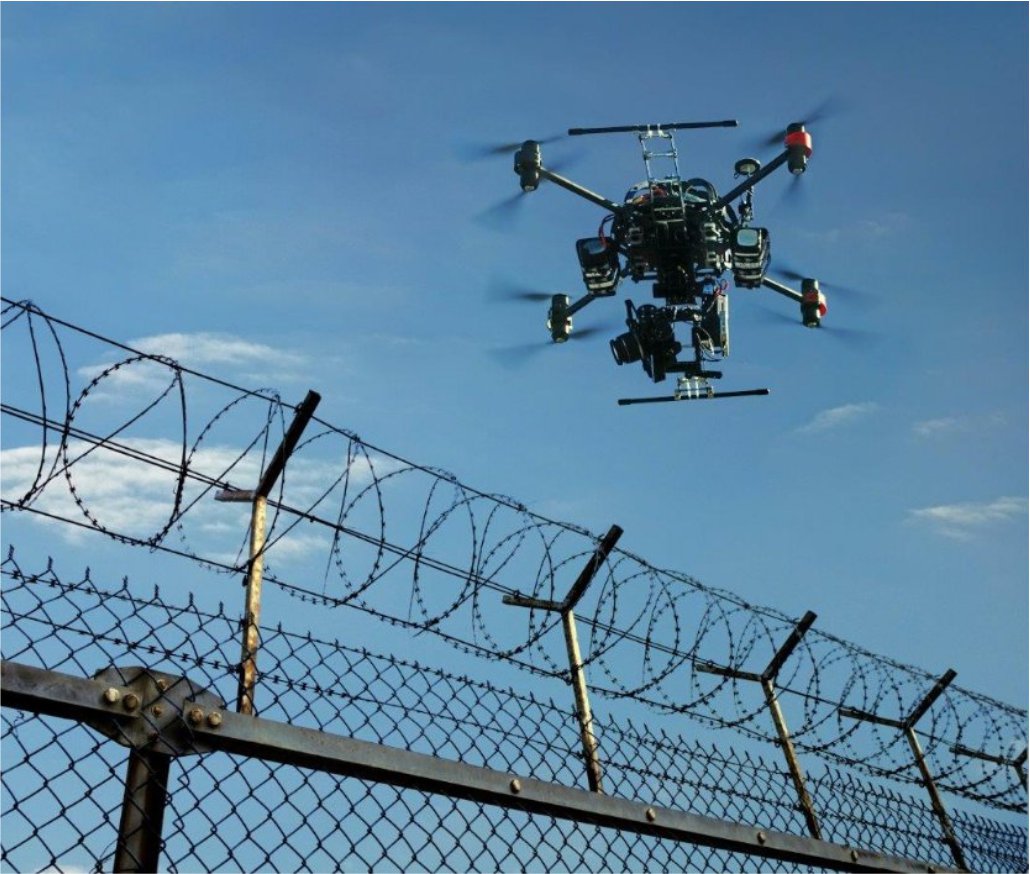
Equipped with high-resolution cameras, thermal sensors, LiDAR, and GPS, drones deliver dynamic, real-time aerial surveillance that far outperforms static CCTV systems and human patrols. They cover large, complex areas with ease, detect and track anomalies instantly, and relay critical data back to control centers. Unlike fixed cameras with limited fields of view, drones eliminate blind spots and terrain constraints, making them ideal for sites with kilometers of perimeter fencing.
From an operational standpoint, drones provide both agility and cost efficiency. By reducing the need for manual patrols, they lower labor costs and limit human exposure to hazardous or inaccessible zones. Autonomous flight paths, geofencing, and intelligent object recognition allow for precise, uninterrupted monitoring—improving situational awareness while reducing false alarms and response delays.
When integrated with AI analytics and cloud-based systems, drones shift security from reactive to predictive. They can analyze patterns, detect irregular behavior, and trigger automated alerts, allowing businesses to prevent threats before they escalate—an invaluable asset in sectors where security breaches can mean millions in losses or catastrophic consequences.
Drones are especially effective in safeguarding high-risk areas such as chemical storage zones, substations, and breach-prone perimeter sections. In the event of an alert, a drone can be dispatched instantly to assess the situation, provide a live feed, and enable faster, safer decisions—without sending personnel into harm’s way. Some advanced systems even support deterrent payloads like noise emitters or tear gas (where regulations permit), adding an active defense layer.
Beyond security, drones also support regulatory compliance and audits. In tightly governed sectors like oil, gas, and pharmaceuticals, they help monitor fence lines, inspect infrastructure, and enforce access controls. The ability to generate geo-tagged imagery and detailed inspection logs simplifies documentation and improves accountability—key for environmental and safety audits.
Crucially, drones serve as part of a broader, intelligent security ecosystem. When integrated with perimeter intrusion detection systems (PIDS), access control, radar, and command platforms, drones become more than surveillance tools—they become autonomous response units. A ground sensor detects unusual movement? A drone can investigate in seconds. An access log doesn’t match a face on-site? The drone’s facial recognition can confirm in real time.
Still, adoption isn’t without challenges. Airspace regulations, data security, GPS spoofing, and weather can all impact drone operations. Enterprises must ensure regulatory compliance, secure communication protocols, and operational resilience. Strategic partnerships with experienced drone providers can help accelerate deployment, ensure safety, and simplify integration with existing systems.
Next-gen drones are only getting smarter. AI-powered edge computing enables drones to analyze data on the fly, reducing latency. Swarm capabilities allow multiple drones to coordinate surveillance or track targets from multiple angles. These innovations are transforming perimeter defense from static deterrence to active, intelligent response.