











































 In industrial operations where working at height is unavoidable—construction projects, transmission tower maintenance, refinery shutdowns, façade cleaning, warehouse racking systems, bridge infrastructure, telecom installations, wind energy platforms, and industrial maintenance activities—fall hazards remain one of the leading causes of serious injuries and fatalities. A single lapse in balance, anchor failure, or procedural non-compliance can result in catastrophic consequences. In such environments, a properly selected, fitted, and correctly used full body harness becomes more than protective equipment—it becomes a life-preserving system.
Fall protection is not a discretionary safety measure; it is a structured obligation governed by engineering principles, operational protocols, and regulatory compliance. For safety managers, project heads, EHS professionals, and site supervisors, ensuring the correct application of fall protection systems reflects leadership maturity and risk governance discipline.
The Role of a Full Body Harness in Fall Protection Systems
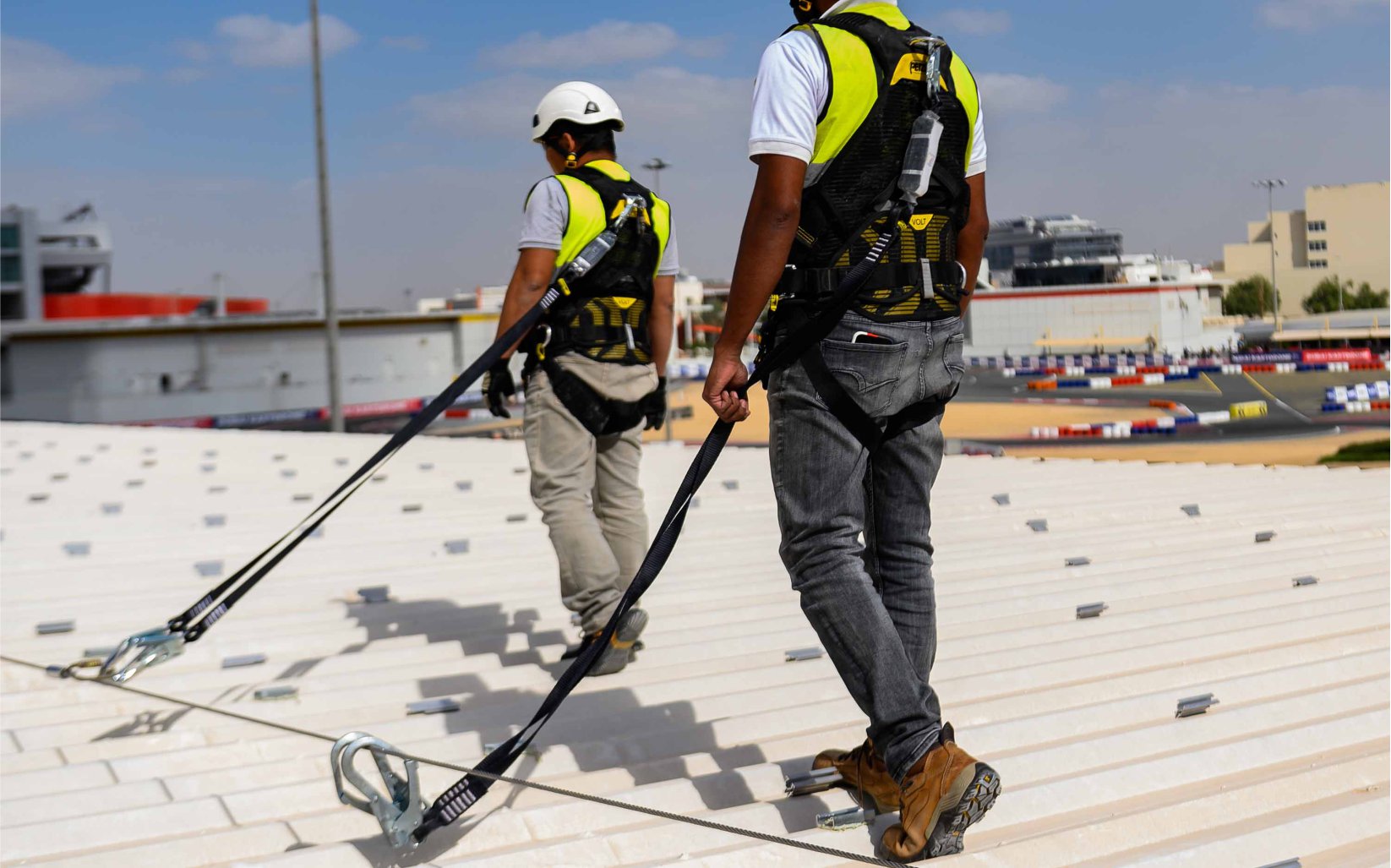
A full body harness is designed to distribute fall arrest forces across the thighs, pelvis, chest, and shoulders, minimizing localized trauma during fall arrest. Unlike safety belts—which are no longer considered adequate for fall arrest due to abdominal injury risk—a full body harness supports the entire torso and reduces the likelihood of internal injuries or spinal damage.
The harness functions as part of a complete fall protection system that includes:
- Anchorage points capable of withstanding prescribed load ratings
- Connecting devices such as lanyards, shock absorbers, or self-retracting lifelines (SRLs)
- Deceleration devices to limit fall impact forces
- Rescue planning mechanisms
A harness alone is not sufficient. Its effectiveness depends on proper integration within this engineered system.
Selection: Choosing the Right Harness for the Task
Not all harnesses are identical. Selection must be based on job hazard analysis (JHA), task duration, work positioning requirements, and environmental exposure. Key selection criteria include:
- Dorsal D-ring for fall arrest
- Front D-ring for ladder climbing systems
- Side D-rings for positioning work
- Suspension trauma relief straps
- Flame-resistant materials for hot work environments
- Corrosion-resistant hardware for offshore or marine applications
In high-risk sectors such as oil & gas or power utilities, harnesses must comply with recognized international safety standards. Certification ensures that load-bearing components, stitching integrity, and hardware strength meet defined safety thresholds.
Proper Fit: A Non-Negotiable Requirement
A harness that is improperly fitted significantly reduces its protective capability. Loose straps may cause excessive body movement during a fall, increasing injury severity. Over-tightening can restrict circulation and movement, leading to fatigue and discomfort.
Correct fitting guidelines include:
- Chest strap positioned at mid-chest level
- Leg straps snug but allowing two-finger spacing
- Shoulder straps adjusted to prevent slack
- D-ring positioned between shoulder blades
Supervisory checks before task commencement reinforce compliance. Pre-use inspections should verify absence of cuts, fraying, corrosion, UV degradation, deformation, or damaged stitching.
Usage Discipline and SOP Compliance
Even the highest quality harness fails if used incorrectly. Workers must attach to certified anchor points rated to withstand required loads. Improvised anchorage—such as temporary scaffolding rails or unstable structures—introduces unacceptable risk.
Standard Operating Procedures (SOPs) for work at height must include:
- Permit-to-work authorization
- Anchor verification
- Fall clearance calculations
- Rescue plan readiness
- Buddy system or supervision
Fall clearance distance must account for lanyard length, shock absorber extension, worker height, and safety margin to prevent ground impact. Failure to calculate clearance properly can negate the entire protection system.
Engineering Hierarchy and Fall Prevention
While harnesses are essential, they represent one layer within the broader Hierarchy of Control. Wherever feasible, elimination of work at height through ground-level assembly or automation should be explored first. Guardrails, safety nets, and engineered barriers serve as higher-level engineering controls. Harnesses act as fall arrest systems when preventive measures cannot eliminate exposure.
Forward-thinking organizations integrate these layers systematically rather than relying solely on PPE.
Inspection, Maintenance, and Lifecycle Management
Full body harnesses require periodic inspection and controlled storage. Exposure to chemicals, moisture, heat, or UV radiation can degrade webbing fibers. Organizations must maintain inspection logs and follow manufacturer-recommended retirement timelines.
Post-fall exposure mandates immediate removal of the harness from service, regardless of visible damage. Shock load events may compromise internal fiber strength.
Rescue Preparedness and Suspension Trauma
Fall protection planning must extend beyond arrest to rescue. Suspension trauma—caused by prolonged hanging in a harness—can lead to restricted blood flow and life-threatening complications within minutes. Rescue plans must ensure prompt retrieval using trained personnel and appropriate equipment. Suspension relief straps can reduce trauma risk while awaiting rescue.
Business, Legal, and Compliance Implications
Work-at-height incidents often attract regulatory scrutiny and legal liability. Compliance with national safety codes and international standards protects not only workers but also organizational reputation and financial stability. Insurance providers evaluate fall protection measures when assessing risk profiles, influencing premium calculations and coverage conditions.
Beyond compliance, visible enforcement of fall protection protocols strengthens workforce trust. Employees who observe leadership commitment to safety are more likely to adhere to procedures consistently.
Building a Culture of Height Safety
Safety at height demands a mindset shift—from viewing harnesses as mandatory accessories to recognizing them as engineered life-saving systems. Continuous training, refresher programs, mock rescue drills, and behavioral reinforcement campaigns embed discipline into daily operations.
Supervisors must lead by example, ensuring zero tolerance for non-compliance. Visual reminders, safety signage, and digital permit systems further enhance accountability.