














































 The recent tragic fire incident in a Commercial Buildings in Lucknow, which reportedly claimed the lives of 15 people, is a painful reminder that emergencies in schools, coaching centres, educational establishments and others commercial buildings can escalate into major disasters within minutes. Beyond the immediate grief and loss, the incident has highlighted a critical question: Are our cities equipped with the right rescue infrastructure to save lives in densely populated urban areas?
The Challenge of Urban Educational Institutions
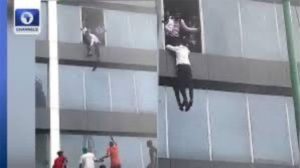 Many educational institutes in Indian cities are located in:
- Congested market areas
- Narrow lanes and densely populated neighbourhoods
- Multi-storey buildings with limited access roads
- Areas where conventional large firefighting vehicles struggle to reach
- In emergencies such as fires, structural collapse, or medical evacuations, the first few minutes are often the difference between life and death. Unfortunately, rescue operations are frequently delayed because traditional large aerial ladder platforms cannot maneuver through narrow streets and crowded localities.
 Why Compact Rescue Platforms are the Need of the Hour
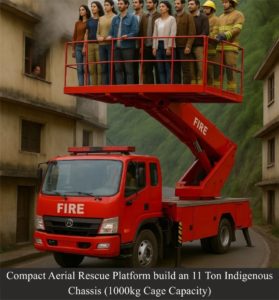
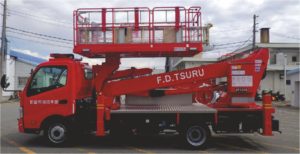
Modern compact aerial rescue platforms have been specifically designed for operations in narrow lanes and congested urban environments. They combine mobility with high rescue capability, making them particularly suitable for Indian cities. The compact rescue platform specifications emphasize operation in crowded market areas and narrow lanes while still offering a cage load capacity of 1,000 kg.
- The compact 20-meter rescue platform offers:
- Working height of approximately 20 meters
- Compact dimensions suitable for urban streets
- Faster deployment and maneuverability
- Ability to access inner lanes and congested neighbourhoods
- A high-capacity rescue cage capable of carrying 1,000 kg in a single lift.
The Power of a 1,000 kg Rescue Cage
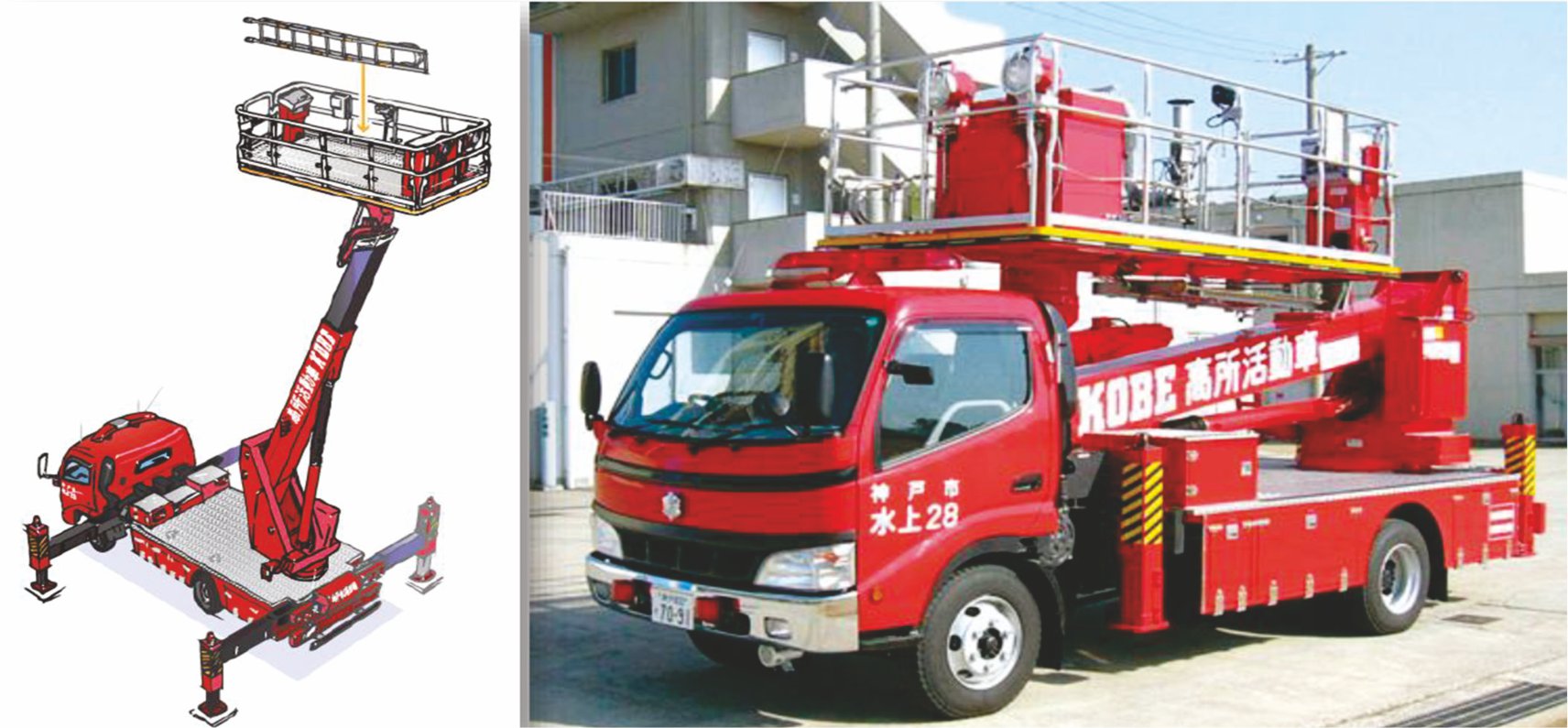 A conventional aerial platform typically carries around 500 kg, limiting evacuation capacity.
In contrast, the compact rescue platform can safely carry approximately:
- 10 to 12 adults, or
- Several children along with rescue personnel
This means that in an emergency:
- Ten people can be evacuated in a single rescue cycle.
- In a situation involving 20-22 trapped victims, two rescue trips could potentially evacuate everyone.
Every minute saved during evacuation significantly increases survival chances, particularly in fires where smoke inhalation becomes the primary cause of fatalities.
Faster Access Means More Lives Saved
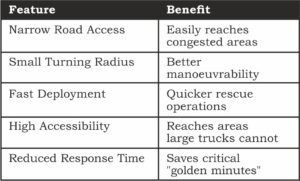 A New Approach to Fire and Rescue Preparedness
The Lucknow tragedy should prompt authorities to rethink urban emergency preparedness. Merely increasing the number of conventional fire engines may not be sufficient.
Cities should consider:
- Deployment of Compact Rescue Platforms
Strategically positioning compact aerial rescue platforms near commercial hubs.
- Risk Mapping of Commercial Buildings
Identifying schools and coaching centres located in narrow lanes and high-risk areas.
- Mandatory Emergency Access Assessment
Ensuring rescue vehicles can access every Commercial Buildings.
- Periodic Evacuation Drills
Training staff and students for emergency response.
- Dedicated Rescue Equipment for Dense Urban Areas
Equipping fire departments with compact platforms capable of mass evacuation.
Conclusion
The loss of 15 precious lives in Lucknow is not merely a tragic incident—it is a warning. As Indian cities continue to grow vertically and Commercial Buildings increasingly operate in congested urban settings, emergency response capabilities must evolve accordingly.
A compact aerial rescue platform with a 1,000 kg cage capacity, capable of evacuating up to 10 – 12 people in a single operation, is not merely another firefighting vehicle-it is a life-saving asset designed for modern Indian cities.