



















































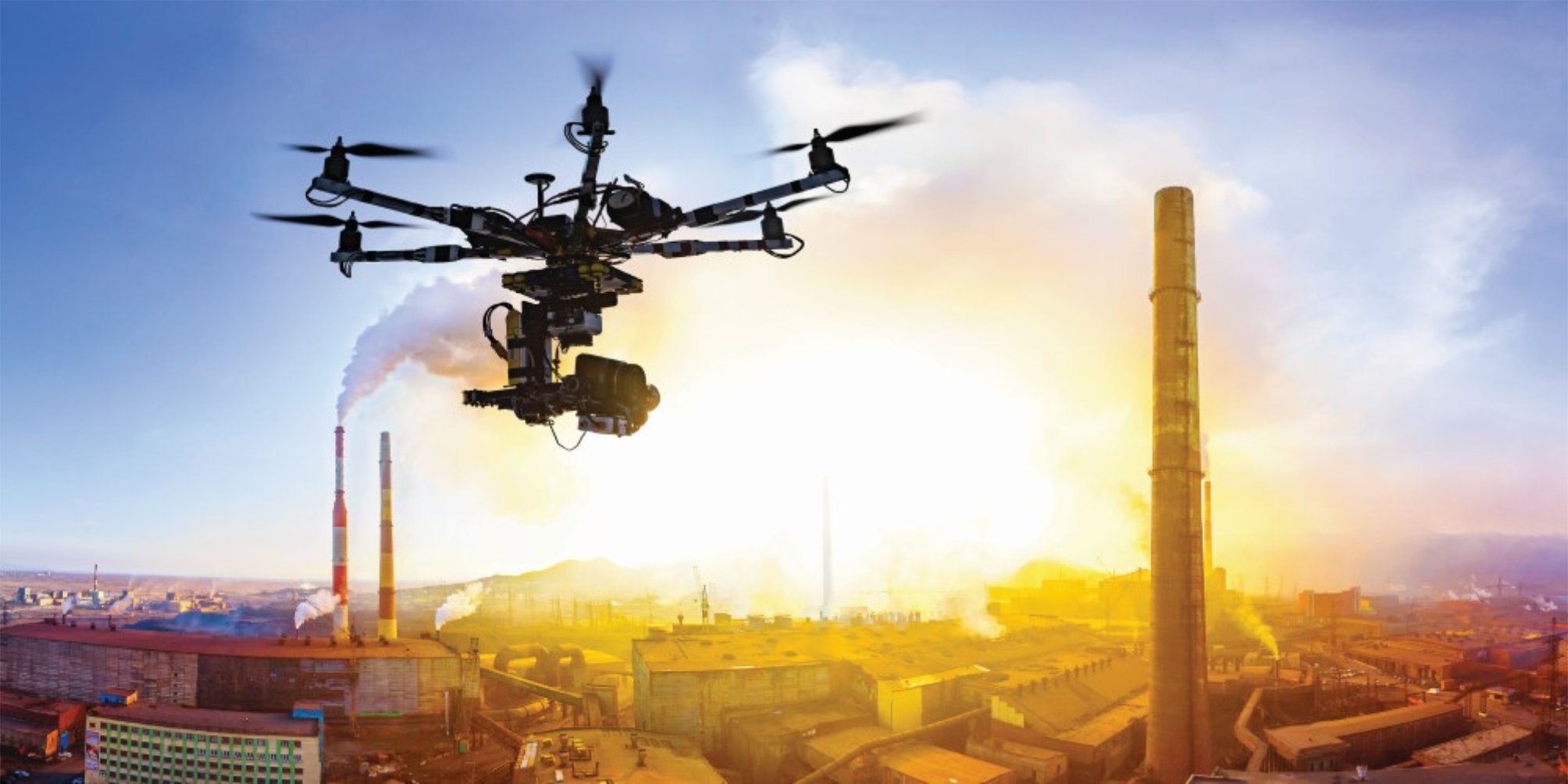
 While autonomous drones are rapidly being embraced as a technological cornerstone for enhancing industrial perimeter security, the rise of malicious drone use has added a complex, dual-edged dimension to this innovation. The same unmanned aerial systems (UAS) that empower surveillance and rapid threat response are now also being exploited to bypass traditional defenses—posing urgent new risks to critical infrastructure, public safety, and national security. As drone proliferation accelerates globally, so too does the urgency to implement comprehensive counter-drone frameworks capable of detecting, analyzing, and mitigating aerial threats in real time.
Recent global incidents underscore the gravity of this evolving threat. From flight disruptions at major UK airports like Gatwick and East Midlands due to unauthorized drone activity, to attempted sabotage operations on power substations and data centers, drones are no longer just reconnaissance tools—they are potential vectors of physical sabotage, cyber-intrusion, and even bio-terrorism. The accessibility of high-end drones, increasingly available through off-the-shelf commercial channels or white-label manufacturers, amplifies the challenge. Malicious actors—ranging from state-sponsored operatives to lone wolf attackers—can weaponize drones for surveillance, jamming, or delivering hazardous payloads with minimal detection risk.
Traditional perimeter security infrastructure, including physical barriers, CCTV, and access control systems, were never designed to confront airborne threats that can bypass ground-based lines of defense with ease. This mismatch calls for a new, multi-layered architecture of protection—one that includes the deployment of specialized counter-UAS systems. These include radar systems for drone detection, radio frequency (RF) analyzers for signal identification, visual tracking through pan-tilt-zoom (PTZ) cameras, and real-time classification algorithms that distinguish between benign aerial objects (like birds or delivery drones) and genuine threats.
 One of the most effective frameworks currently under development is the “Detect, Identify, Analyze, and Mitigate” (DIAM) protocol. This approach starts with early-stage detection via RF triangulation or acoustic signatures, moves into AI-based identification and threat validation, and ends with real-time mitigation—ranging from directional jamming and net deployment to kinetic drone interception via autonomous interceptors or drone swarms. In high-risk environments such as airports, chemical plants, and defense installations, these solutions are increasingly integrated into broader situational awareness systems powered by machine learning and edge analytics.
Furthermore, emerging regulations and global aviation laws are gradually catching up. While some regions, like the European Union and the Middle East, have begun issuing licenses for counter-drone technologies and authorizing RF jamming in critical zones, countries like the United States still face legal limitations due to potential risks of signal interference. However, given the severity and frequency of drone incursions, regulatory bodies are now being compelled to redefine permissible technologies, with support from advanced analytics and legal audit trails to hold operators accountable.
From a cybersecurity standpoint, drones are also a potential Trojan horse. Hacked UAVs can be reprogrammed to gather proprietary data, jam networks, or perform reconnaissance missions for larger cyberattacks. In fact, research from security firms like Kaspersky has revealed how easily commercial drones can be compromised due to weak encryption, unsecured communications links, or compromised firmware. Thus, any robust perimeter security strategy must also include cybersecurity hardening for its drone and anti-drone assets—ensuring all airborne and ground stations are tamper-proof, encrypted, and compliant with global cybersecurity standards like NIST, ISO 27001, and GDPR.
Moreover, public trust and privacy must be addressed. As drones fly over industrial zones adjacent to residential or commercial areas, community concerns about surveillance abuse and unauthorized data collection emerge. Organizations deploying drone security must include dynamic privacy masking, strict geofencing, and transparent public communications strategies to preempt backlash and legal disputes.
In conclusion, the rise in drone-based threats is a clarion call for industries to rethink perimeter defense as a multi-dimensional challenge. Protecting valuable assets in 2025 and beyond will require not just deploying autonomous security drones—but also anticipating and countering rogue drones with equal sophistication. Organizations must invest in unified aerial defense strategies that merge offensive drone surveillance capabilities with defensive anti-drone countermeasures, thereby transforming vulnerabilities into fortified, intelligent security ecosystems.