



















































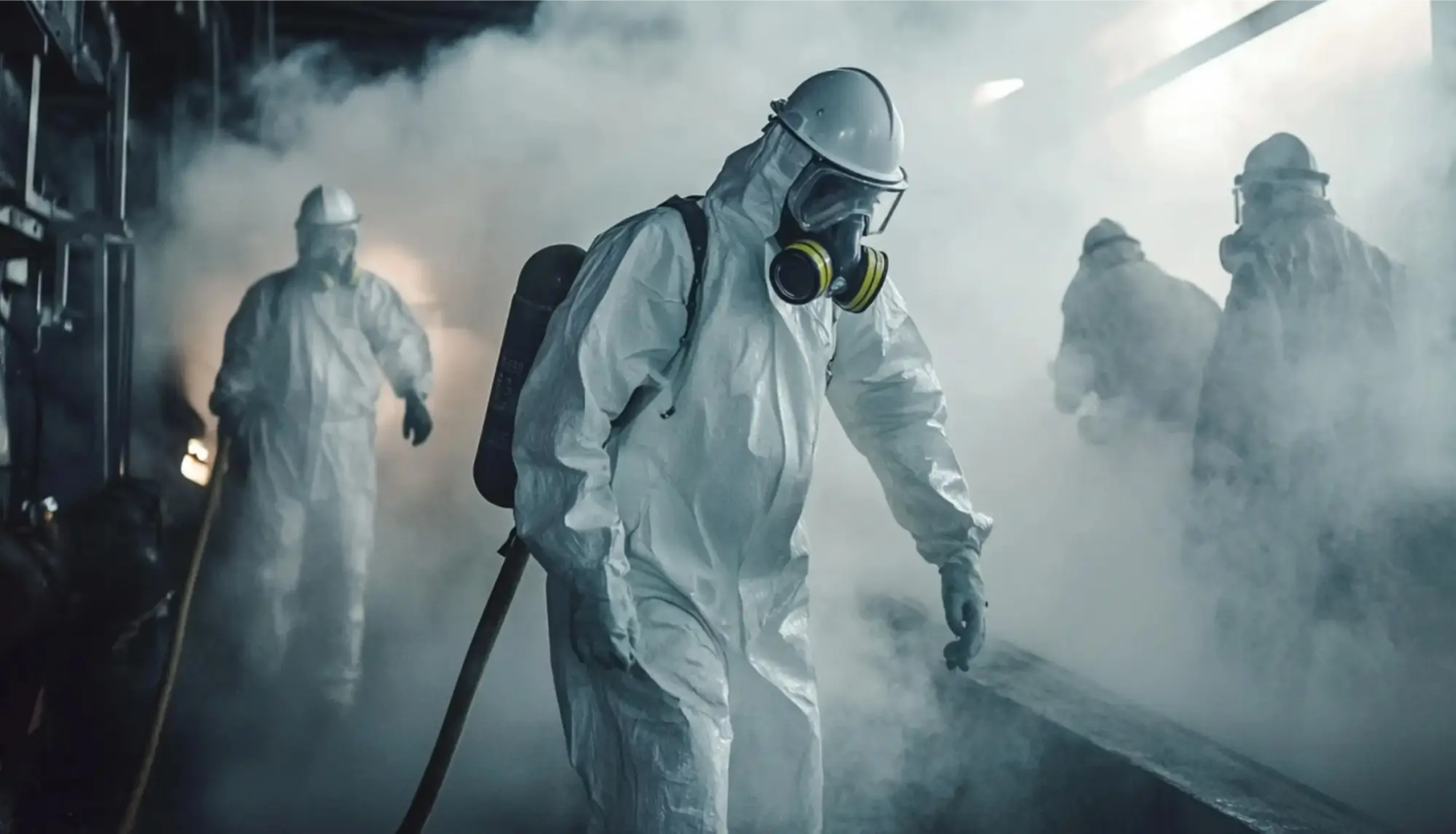
 Between 2006 and 2019, There were many combustible dust incidents resulted in worker deaths and injuries in the United States, according to data from the Chemical Safety Board.
So, what is a combustible dust explosion? How do they happen, and what can be done to prevent them?
The dangers
Five elements must be present for a combustible dust explosion to occur: fuel, oxygen, an ignition source, dispersion and confinement.
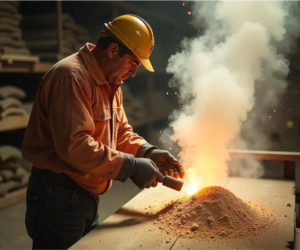 “Dust may accumulate on surfaces and lie undisturbed for years,” the agency states. “Then an initial fire or explosion, known as a primary event, shakes it loose and it ignites.” The resulting pressure then travels throughout a plant or factory and dislodges dust that has been lying dormant, serving as fuel for a secondary explosion. “Most of the fatalities and the devastating injuries have been caused by these secondary dust explosions,”.
Safety measures
Good housekeeping is a crucial first step toward mitigating dust explosion hazards. “Research has shown that facilities that are well maintained experience fewer fires, explosions and other accidents, and are more profitable as well,” OSHA states. The agency offers additional tips on combustible dust safety:
- Implement a hazardous dust control program that includes dust inspection, testing and housekeeping.
- Equip your facility with proper dust collection systems and filters.
- Regularly inspect both open and hidden areas for dust residue. If ignition sources are found, use cleaning methods that don’t generate dust clouds.
- Use vacuum cleaners specifically approved for dust collection.
- Ensure employees are trained on the hazards of combustible dust.
Using proper electrical equipment in hazardous locations is crucial to eliminating common ignition sources, OSHA states. Tips on controlling ignition sources include:
- Ensuring appropriate electrical equipment and wiring methods are used.
- Having an ignition control program, such as grounding and bonding and other methods, for dissipating any electrostatic charge that could be generated while transporting dust through ductwork.
- Controlling the use of open flames and static electricity. Don’t allow smoking.
- Keeping heated systems and surfaces away from combustible dust.
Prevent combustible dust explosions
Explosions of Combustible Dust that can be prevented
 Combustible dusts – finely ground organic or metal particles – can be found in a number of industries, the Washington State Department of Labor and Industries states. These industries include food, tobacco, plastics, paper, rubber, textiles, pesticides, pharmaceuticals and fossil fuel power generation.
Washington L&I notes that combustible dust can accumulate inside of, or escape from, equipment and settle on work area surfaces. These accumulations, when dispersed in the air in the presence of an ignition source, can result in an explosion.
OSHA says five elements must be present for a dust explosion to occur. If any one of these elements is missing, an explosion will not occur.
The first three elements are needed for a fire:
- Combustible dust (fuel)
- Ignition source (heat)
- Oxygen in air (oxidizer)
The other two elements that must be present for a combustible dust explosion to occur are:
- Dispersion of dust particles in sufficient quantity and concentration
- Confinement of the dust cloud
To prevent a dust explosion, OSHA recommends employers:
- Implement a hazardous dust inspection, testing, housekeeping and control program.
- Use proper dust collection systems.
- If ignition sources are present, use cleaning methods that do not generate dust clouds.
- Control smoking, open flames and sparks, including mechanical sparks and friction.