



















































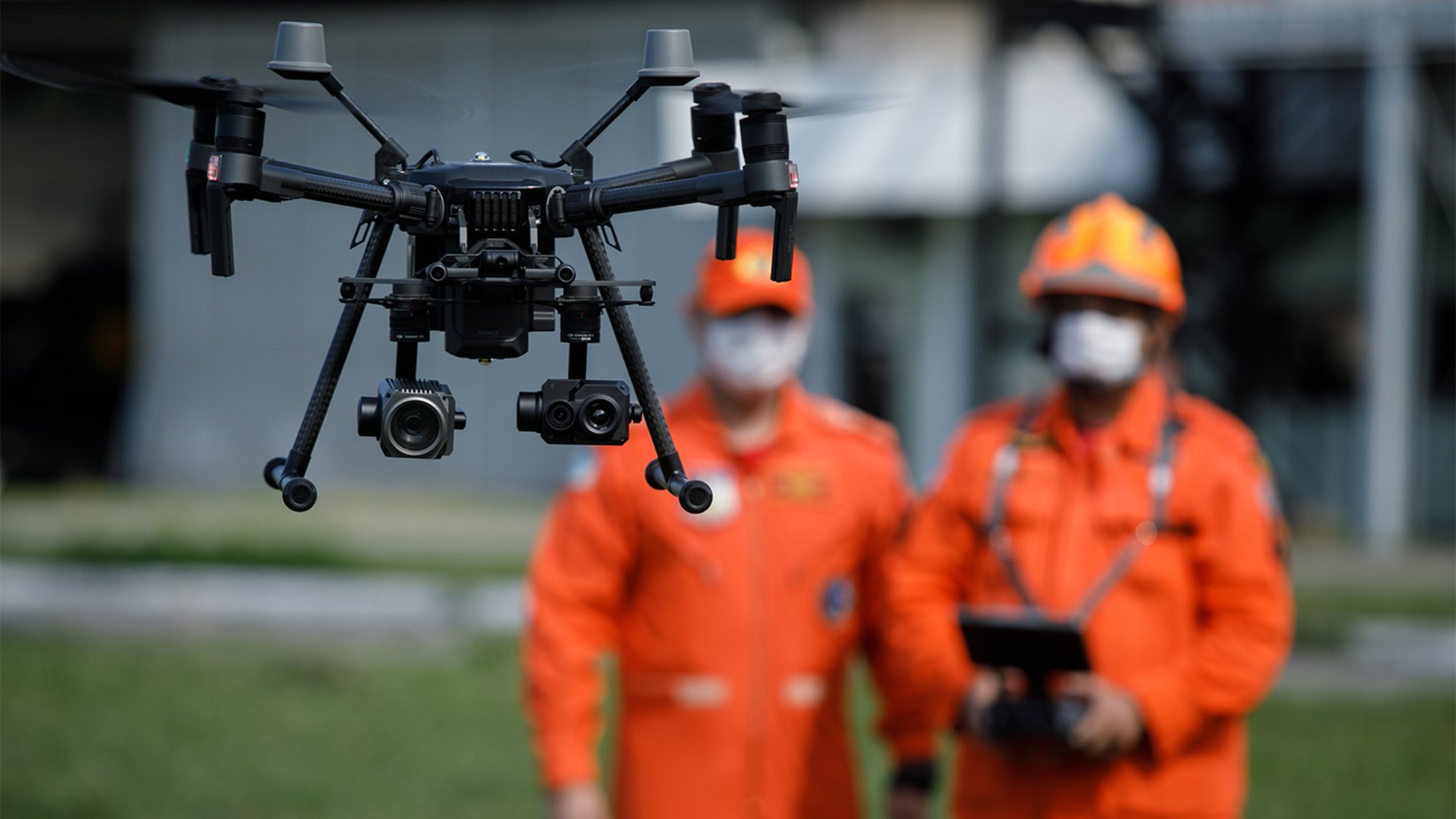
 A comprehensive overview of how drones are transforming emergency response operations, particularly as first responders (DFR – Drone First Responders), across various scenarios including firefighting, search and rescue (SAR), police operations, and disaster management. Let’s delve into the key points and implications for business-to-business audiences and technically-minded readers:
- Use Cases and Benefits:
Faster Response Times: Drones can swiftly reach incident sites, providing real-time situational awareness and aiding in quick decision-making.
Enhanced Safety: By identifying hazards before human responders arrive, drones mitigate risks and improve overall safety outcomes.
Improved Decision Making: Real-time data feeds enable emergency control centers to optimize resource deployment and incident management strategies.
Cost-Effectiveness: Compared to traditional methods like helicopters, drones offer a more economical solution with reduced operational and maintenance costs.
- Key Use Cases:
Search and Rescue (SAR): Drones excel in locating lost individuals, delivering essential supplies, assessing dangerous situations, and providing communication links.
Firefighting and Fire Surveillance: Drones aid in fire detection, planning, resource allocation, communication, safety management, post-fire analysis, and search and rescue.
Police Operations & Support: Drones assist in surveillance, reconnaissance, active shooter situations, pursuit of suspects, traffic monitoring, crowd management, and delivery of emergency supplies.
Disaster Management and Assessment: Drones contribute to pre-event planning, immediate post-disaster assessment, search and rescue, infrastructure inspection, communication, data collection and analysis, monitoring, and recovery efforts.
- Implementation Considerations:
Regulatory Compliance: Ensuring adherence to aviation regulations, including securing necessary waivers for operations.
Training and Certification: Proper training for personnel on drone operation, maintenance, safety, and legal considerations.
Public Engagement: Educating the public on the benefits of drones while addressing privacy concerns.
Infrastructure: Establishing necessary physical and digital infrastructure for effective drone operations.
Partnerships: Collaborating with drone service providers and emergency response organizations to leverage expertise and resources.
- Conclusion: Drones as first responders offer significant advancements in emergency response, promising faster, safer, and more efficient solutions. With ongoing technological advancements and evolving regulations, drones are poised to become standard components in emergency services worldwide.
 For B2B audiences and technically-minded readers, the post underscores the transformative potential of drones in enhancing emergency response capabilities. It emphasizes the importance of regulatory compliance, specialized training, infrastructure development, and strategic partnerships in implementing successful drone-as-first-responder programs. Overall, drones represent a promising avenue for optimizing emergency response operations and improving outcomes across various scenarios.