

























































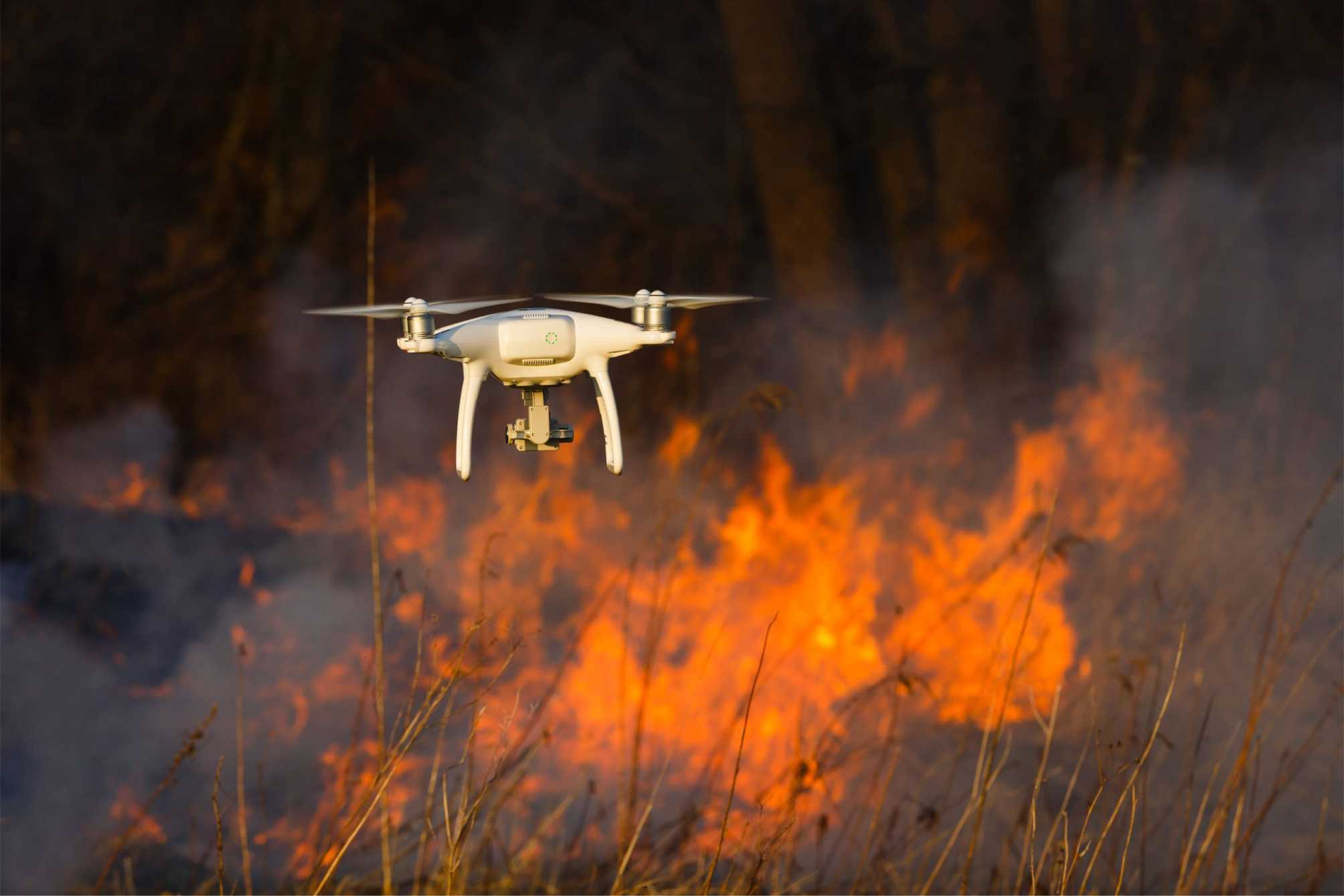
 Introduction: In the realm of modern firefighting, where every second counts, the integration of cutting-edge technology has become imperative. High-rise fires present unique challenges that demand innovative solutions. This blog explores the pivotal role drones play in revolutionizing high-rise fire response strategies. As we delve into the intersection of technology and safety, businesses and technical experts alike will gain insights into the transformative potential of drones in this critical domain.
- The High-Rise Challenge: High-rise structures pose significant challenges for traditional firefighting methods. Limited access points, complex architectures, and rapid fire spread necessitate a reevaluation of conventional approaches. Addressing these challenges requires a paradigm shift towards more agile and advanced technologies.
- Drones as First Responders: Drones have emerged as invaluable assets in firefighting, especially in high-rise scenarios. Equipped with thermal imaging cameras and sensors, drones provide real-time data, enabling firefighters to assess the situation from various angles. This technological leap enhances situational awareness and aids in swift decision-making.
- Data-Driven Decision Making: For businesses and technical experts, the integration of drones translates into data-driven decision-making processes. Drones capture crucial information, such as temperature gradients, structural integrity, and potential hazards, allowing for a more comprehensive understanding of the unfolding emergency. This data empowers response teams to formulate effective strategies tailored to the unique challenges of high-rise fires.
-
 Communication and Coordination: Effective communication is paramount in firefighting operations. Drones facilitate seamless communication between ground teams and incident commanders. High-definition video feeds and two-way communication systems enable real-time coordination, ensuring that every team member is well-informed and synchronized in their efforts.
 - Navigating Complex Environments: High-rise structures often present intricate environments that are challenging to navigate manually. Drones, equipped with obstacle detection and avoidance systems, effortlessly maneuver through complex spaces. This technical prowess enhances the efficiency of firefighting operations, allowing responders to focus on critical tasks without hindrance.
- Fire Suppression Capabilities: Technological advancements have led to the development of drones with fire suppression capabilities. These drones can be equipped with specialized payloads, such as water or fire retardant dispensers, providing an additional layer of firefighting support. Businesses involved in manufacturing such advanced drones contribute significantly to the evolving landscape of high-rise fire response.
- Regulatory Considerations: As the use of drones in high-rise fire response becomes more prevalent, businesses must navigate regulatory frameworks governing their deployment. Technical experts play a crucial role in ensuring that these drones comply with safety standards and regulations. Understanding and adhering to these guidelines is essential for the seamless integration of drones into firefighting strategies.
- Future Prospects and Collaborations: In conclusion, the synergy between businesses driving drone technology and technical experts shaping its capabilities holds immense promise for the future of high-rise fire response.
Collaborative efforts in research, development, and implementation will continue to refine the role of drones in firefighting, elevating safety standards and minimizing the impact of high-rise blazes.
As drones increasingly become indispensable allies in high-rise fire response, businesses and technical experts alike stand at the forefront of this transformative journey, working hand in hand to enhance the safety and effectiveness of firefighting operations.