

























































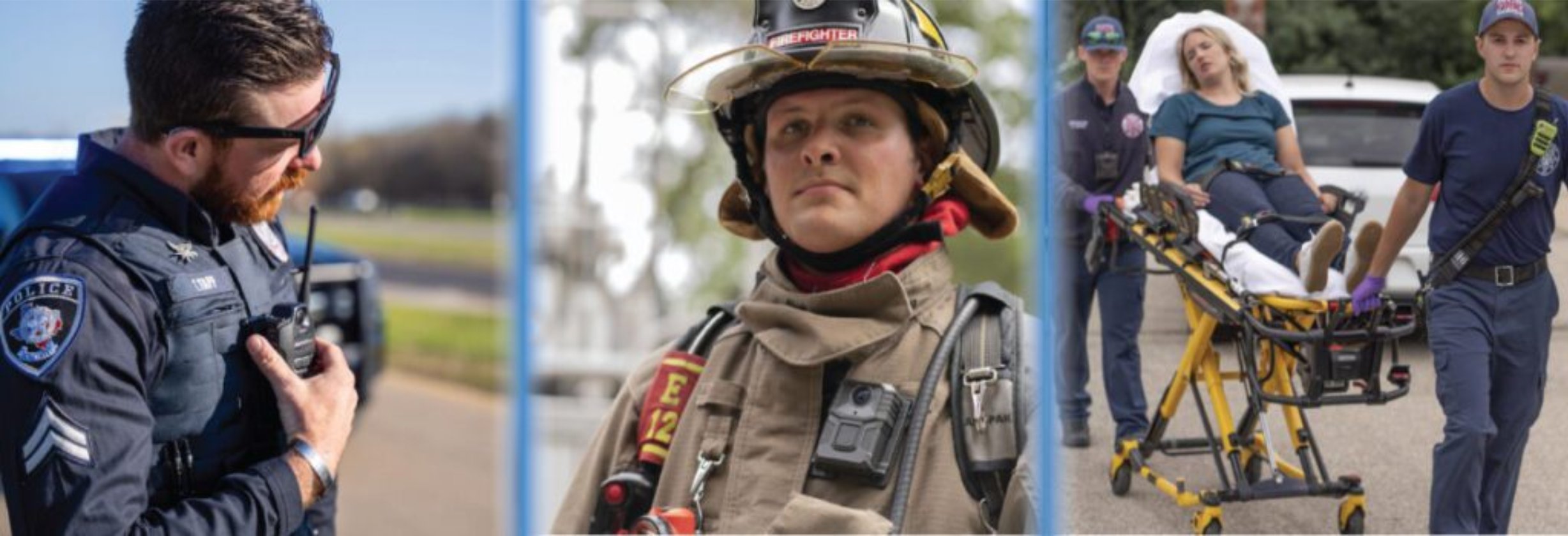
 In modern rescue operations, where decision-making must occur under extreme time pressure and environmental uncertainty, visibility is power. The ability of command officers to see what frontline responders are experiencing in real time has transformed operational coordination, risk management, and accountability. Body-worn cameras (BWCs), once primarily associated with law enforcement transparency, are increasingly becoming a strategic tool in fire, rescue, disaster response, and industrial emergency management environments. When integrated into structured command systems, body-worn camera technology enhances situational awareness, strengthens dynamic risk assessment, improves post-incident analysis, and contributes to responder safety in high-risk scenarios.
Rescue operations are inherently chaotic. Whether responding to high-rise fires, confined space rescues, hazardous material leaks, industrial explosions, or flood evacuations, field conditions are fluid and often obscured by smoke, debris, darkness, or structural instability. Traditional communication methods—radio updates and verbal briefings—while essential, rely heavily on interpretation. Information passed through multiple layers can lose precision. Body-worn cameras reduce this gap by transmitting live visual feeds directly to incident command units, allowing commanders to observe conditions as they unfold rather than relying solely on descriptive reporting.
From an operational standpoint, real-time video streaming significantly enhances command visibility. Incident commanders can assess fire behavior, structural integrity, smoke movement, victim location, and access constraints directly through responders’ perspectives. This capability supports more informed tactical decisions, including ventilation adjustments, resource redeployment, evacuation orders, or escalation of response levels. Instead of reacting to delayed or partial information, command units operate with enhanced clarity, improving both efficiency and safety outcomes.
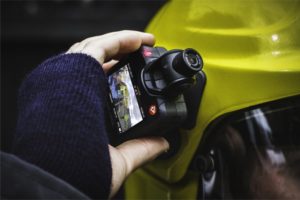 Body-worn cameras also strengthen dynamic risk assessment processes. Rescue environments evolve rapidly; a stable interior attack can shift to a collapse risk within minutes. Through live visual data, command officers can identify early warning signs such as structural deformation, rollover smoke patterns, hazardous material reactions, or compromised escape routes. When combined with gas detection readings, thermal imaging, and building data systems, video feeds create a multidimensional risk profile that supports timely tactical shifts. The integration of BWCs into incident command vehicles or centralized control rooms ensures that strategic oversight remains aligned with frontline realities.
Beyond immediate tactical benefits, body-worn cameras enhance accountability and transparency. In high-impact rescue incidents, especially those involving casualties or significant property loss, scrutiny from regulatory bodies, insurance entities, and the public is inevitable. Video documentation provides an objective operational record. It enables agencies to demonstrate procedural compliance, evaluate adherence to standard operating procedures, and defend operational decisions if questioned. For municipal fire services and industrial emergency response teams, this documentation capability reduces liability exposure and strengthens institutional credibility.
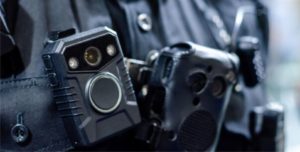 Training and performance improvement represent another critical dimension of BWC integration. Recorded footage from real incidents becomes a valuable learning resource. Post-incident debriefings can incorporate video review to analyze decision points, communication clarity, equipment handling, and tactical positioning. Lessons derived from authentic operational footage are often more impactful than simulated scenarios. Firefighters and rescue personnel gain insight into real-world hazard progression, while command staff refine strategic judgment. Over time, this feedback loop contributes to a culture of continuous improvement and professional excellence.
In industrial settings, where rescue teams operate within petrochemical plants, refineries, manufacturing complexes, or energy infrastructure, body-worn cameras play an additional role in regulatory compliance and safety auditing. Many high-risk industries operate under strict occupational health and safety standards. Video evidence of confined space entry procedures, lockout-tagout verification, atmospheric testing, and PPE compliance strengthens safety governance. In complex environments with multiple contractors and subcontractors, BWCs also ensure alignment with site-specific safety protocols.
Technological integration is central to maximizing the value of body-worn cameras. Modern systems offer high-definition recording, low-light capability, thermal overlay compatibility, GPS tagging, and cloud-based storage. When linked to incident management software platforms, video feeds can be synchronized with dispatch logs, radio transcripts, and sensor data. Advanced systems may incorporate artificial intelligence to flag critical visual cues such as flame intensity escalation or hazardous spill expansion. These innovations enhance predictive capability and reduce the cognitive load on commanders during high-pressure situations.
However, the deployment of body-worn cameras in rescue operations must be supported by robust governance frameworks. Data security, privacy protection, and ethical use policies are essential. Footage captured during emergency response may include injured individuals, private property, or sensitive industrial processes. Clear protocols regarding storage duration, access control, data encryption, and authorized usage must be established. Agencies must balance operational transparency with legal and ethical responsibility.
Operational ergonomics also require consideration. Rescue personnel operate in physically demanding environments, often wearing heavy protective gear and breathing apparatus. Body-worn cameras must be lightweight, heat-resistant, impact-resistant, and compatible with personal protective equipment. Battery life must support extended incidents, and mounting systems must not interfere with mobility or safety. Equipment reliability in extreme conditions—high heat, water exposure, dust, or vibration—is critical to ensuring uninterrupted functionality. The psychological dimension of camera deployment should not be overlooked. Awareness of being recorded may initially create hesitation among personnel; however, when positioned as a safety and operational enhancement tool rather than a surveillance mechanism, acceptance improves. Leadership communication is vital in reinforcing that BWCs are designed to protect responders, strengthen tactical clarity, and support professional development—not to penalize frontline staff. Transparent policy frameworks and inclusive implementation planning foster trust within the workforce.
Interoperability further expands the strategic impact of body-worn cameras. In large-scale incidents involving police, medical services, disaster response agencies, and municipal authorities, integrated video platforms enable shared situational awareness. Multi-agency command centers can access synchronized feeds, ensuring coordinated action across disciplines. In mass casualty events or disaster scenarios, this unified visibility reduces confusion and enhances operational cohesion.
From a risk management perspective, body-worn cameras contribute to responder safety by enabling rapid intervention when conditions deteriorate. If a firefighter becomes disoriented in a smoke-filled structure or a rescue technician encounters unexpected hazards in a confined space, command personnel observing the live feed can initiate emergency extraction protocols immediately. This proactive capability reduces response delays in mayday situations and strengthens overall crew protection mechanisms.
Looking forward, advancements in wearable technology are likely to integrate body-worn cameras with biometric monitoring systems. Real-time tracking of heart rate, temperature exposure, and oxygen consumption combined with video feeds could provide a comprehensive safety dashboard for command units. Augmented reality overlays may eventually allow responders to receive visual guidance through helmet-mounted displays linked to command analytics systems. These innovations will further bridge the gap between field operations and strategic oversight. In conclusion, body-worn cameras are no longer optional accessories in advanced rescue operations; they represent a strategic investment in visibility, accountability, and safety. By delivering real-time visual intelligence to command structures, BWCs enhance dynamic risk assessment, strengthen tactical decision-making, and improve operational transparency. When integrated thoughtfully within structured incident management systems and supported by clear governance policies, this technology transforms rescue operations into more informed, responsive, and resilient systems. In environments where seconds matter and clarity saves lives, enhanced command visibility through body-worn cameras stands as a defining advancement in modern emergency response management.