

























































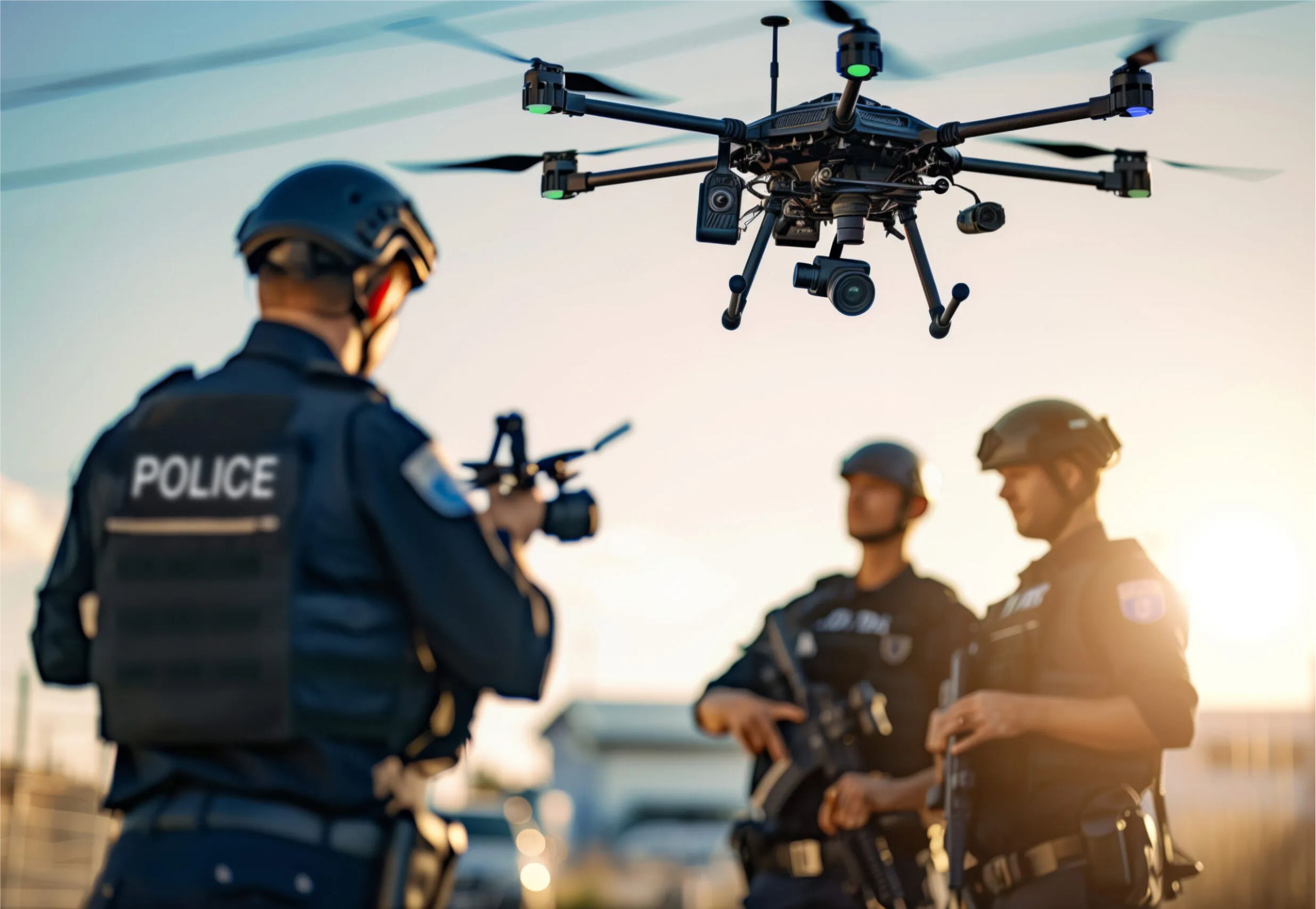
 Drone Surveillance: Transforming Security Paradigms Drone surveillance represents a significant leap in security technology, offering unparalleled capabilities in monitoring, tracking, and preventing crime. From safeguarding urban centers to protecting remote installations, drones are becoming indispensable tools for comprehensive and efficient surveillance solutions.
Advanced Features of Drone Surveillance
Drones equipped with cutting-edge technology such as high-definition cameras, facial recognition systems, and thermal imaging enable real-time monitoring and response. Here’s how they excel:
- Wide-Area Coverage: Unlike stationary cameras, drones can cover expansive areas quickly and adapt to dynamic surveillance needs.
- Real-Time Analytics: Leveraging AI-powered analytics, drones can identify threats, recognize faces, and even detect unusual behaviors.
- Evidence Collection: High-quality video and image capture facilitate accountability and support law enforcement investigations.
- Accessibility: Their agility allows drones to monitor hard-to-reach or hazardous areas, enhancing overall security.
Applications in Crime Prevention
- Public Space Monitoring: Drones improve situational awareness in parks, stadiums, and urban centers.
- Crowd Management: During large events or protests, drones help manage and monitor crowds, ensuring safety.
- Emergency Response: In disasters or search-and-rescue operations, drones provide real-time insights to guide responders.
- Border Security: For perimeter protection, drones offer constant vigilance and early detection of unauthorized activities.
Challenges in Drone Surveillance Despite their promise, drones face certain hurdles:
- Privacy Issues: Concerns about unauthorized data capture demand stringent regulations.
- Technical Limitations: Battery life and flight time remain areas for improvement.
- Regulatory Constraints: Compliance with airspace and usage laws varies across regions, complicating deployment.
Legal and Ethical Considerations Ensuring responsible use of drones involves balancing surveillance benefits with ethical considerations. Key strategies include:
- Establishing transparent guidelines for data use and retention.
- Conducting operator training and certification programs.
- Maintaining regulatory compliance to address public and governmental concerns.
The Future of Drone Surveillance Emerging advancements will address existing limitations while unlocking new capabilities:
- Extended Flight Times: Enhanced battery technologies will support prolonged operations.
- Improved Analytics: AI and machine learning will refine threat detection and decision-making.
- Integration with IoT: Seamless communication with other security systems will enable holistic monitoring.
As technology evolves, drones will increasingly complement traditional security measures, offering an adaptive and scalable approach to crime prevention.
Conclusion
Drone surveillance is a transformative force in security, offering comprehensive and efficient solutions to modern challenges.
By incorporating drones into security frameworks, organizations can elevate crime prevention efforts, enhance situational awareness, and ensure greater safety for all. Addressing ethical and technical challenges proactively will pave the way for a secure, technologically empowered future.