








































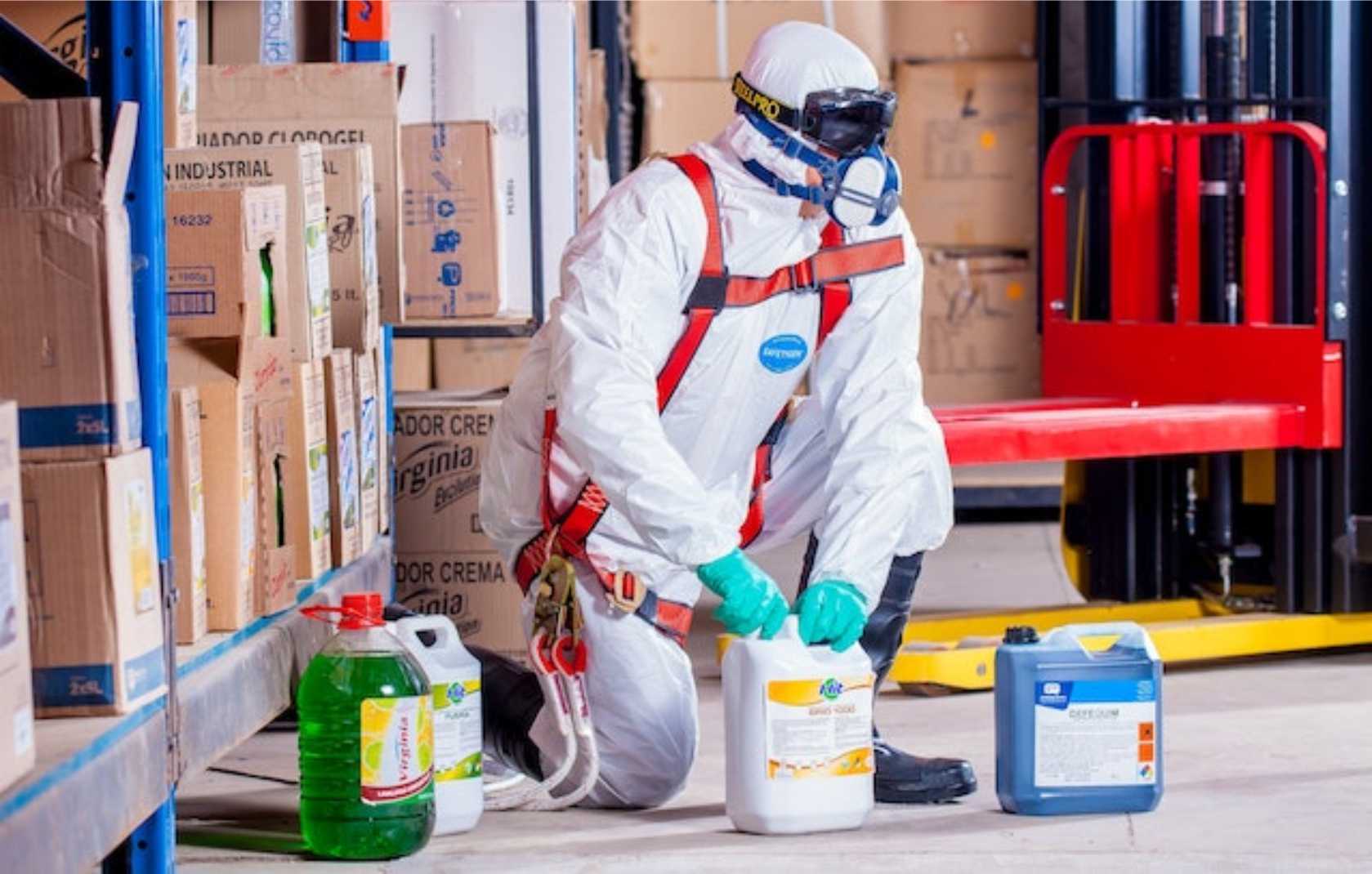
 This research proposes a comprehensive training framework for the classification of Hazardous Materials (HazMat) and Dangerous Goods (DG) by adopting a multi-modal approach. The transportation and handling of HazMat/DG involve intricate processes and compliance with international regulations.
Traditional training methods often lack integration and may not address the diverse learning styles of trainees. This study aims to explore the effectiveness of a multi-modal training approach, incorporating visual, auditory, kinesthetic, and interactive elements. By assessing knowledge retention, skill acquisition, and overall training satisfaction, the research seeks to provide insights into optimizing HazMat/DG classification training programs.
Objectives:
- Examine the current state of HazMat/DG classification training methodologies.
- Identify the strengths and limitations of existing training approaches.
- Develop and implement a multi-modal training program incorporating visual, auditory, kinesthetic, and interactive elements.
- Evaluate the effectiveness of the multi-modal training in terms of knowledge retention and skill acquisition.
- Assess participant satisfaction and engagement with the integrated training approach.
- Provide recommendations for optimizing HazMat/DG classification training programs.
Methodology: The study will utilize a mixed-methods approach, combining quantitative assessments and qualitative feedback.
Trainees will be divided into groups undergoing traditional training and those participating in the multi-modal program. Pre- and post-training assessments will measure knowledge retention, and practical exercises will evaluate skill acquisition. Surveys and interviews will collect qualitative data on participant satisfaction, engagement, and perceived effectiveness.
Expected Outcomes:
- Insights into the current challenges and gaps in HazMat/DG classification training.
- Comparative analysis of traditional and multi-modal training outcomes.
- Identification of the most effective modalities for different aspects of HazMat/DG classification.
- Recommendations for integrating multi-modal elements into existing training programs.
- Guidelines for enhancing overall training effectiveness and engagement.
Significance of the Study: This research is significant for industries involved in the transportation and handling of Hazardous Materials/Dangerous Goods, as it aims to enhance the efficacy of training programs.
The findings will contribute to the development of optimized, learner-centric approaches that improve knowledge retention, skill acquisition, and overall compliance with HazMat/DG regulations.
The study underscores the importance of adopting innovative training methodologies to address the evolving challenges in hazardous materials management.