


















































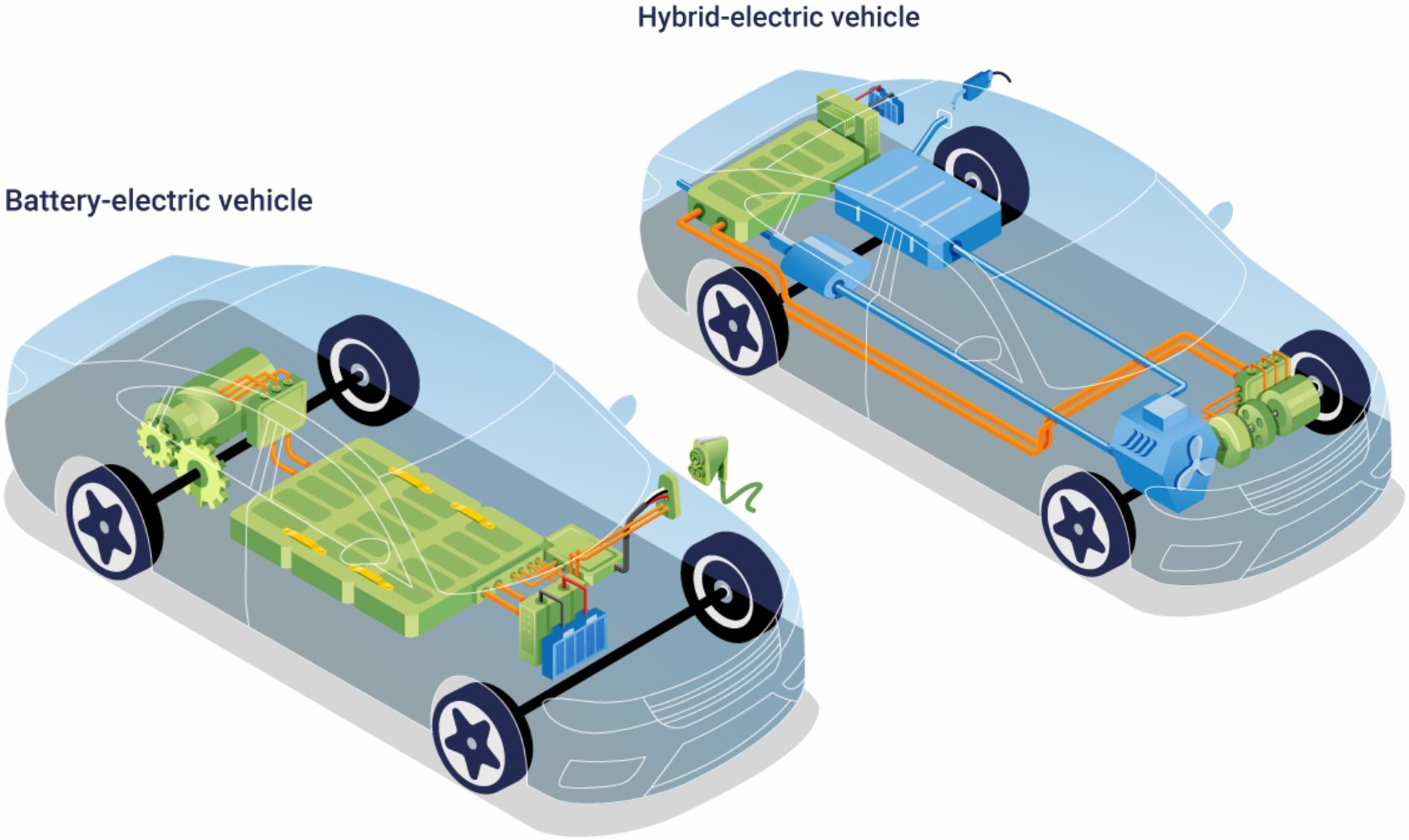
 In the realm of rescue operations, ensuring the safety of personnel stands as the paramount concern. With the proliferation of alternative fuel vehicles, particularly hybrids and electric cars, it becomes imperative to understand the safety protocols associated with these vehicles in various emergency scenarios. In this discussion, we delve into the nuances of hybrid and electric vehicle safety, providing context and insights to address common concerns.
Understanding the Landscape:
The rise of hybrid and electric vehicles represents a significant shift in automotive technology, introducing new considerations for emergency responders. While these vehicles comprise a relatively small fraction of total vehicle sales, their unique characteristics warrant preparedness and vigilance among rescue personnel. Operational considerations, including extrication procedures, have garnered attention in the safety discourse, highlighting the need for comprehensive training and protocols.
Two Decades of Evolution:
Hybrid vehicles have been commercially available for nearly two decades, marking a milestone in automotive innovation. Despite their prolonged presence in the market, hybrids and electric cars still constitute a minority share of overall vehicle sales. However, the steady growth of this segment underscores the importance of ongoing preparedness and education for emergency responders. As incidents involving alternative fuel vehicles become more prevalent, the need for proactive safety measures becomes increasingly evident.
Mitigating High Voltage Risks:
One of the primary concerns surrounding hybrid and electric vehicles is the risk of high voltage injuries during rescue operations. However, a thorough examination of historical data reveals a surprising trend: while high voltage accidents pose significant risks in various contexts, including buildings and overhead powerlines, incidents involving hybrid and electric vehicles remain relatively rare. This discrepancy underscores the importance of contextualizing risks and prioritizing resources accordingly.
Putting Risks into Perspective:
While the potential dangers associated with hybrid and electric vehicles cannot be dismissed, it is essential to maintain a balanced perspective. Statistical analysis suggests that the prevalence of high voltage injuries in alternative fuel vehicles pales in comparison to other sources of electrical hazards. Nonetheless, this does not diminish the need for diligent preparation and adherence to safety protocols when dealing with hybrid and electric vehicles.
Conclusion:
In conclusion, the safety considerations surrounding hybrid and electric vehicles merit careful attention and proactive measures from emergency responders. While incidents involving these vehicles remain relatively uncommon, the evolving landscape of automotive technology underscores the importance of ongoing education and preparedness. By contextualizing risks, leveraging historical data, and prioritizing safety protocols, rescue personnel can navigate the challenges posed by alternative fuel vehicles with confidence and efficacy.