























































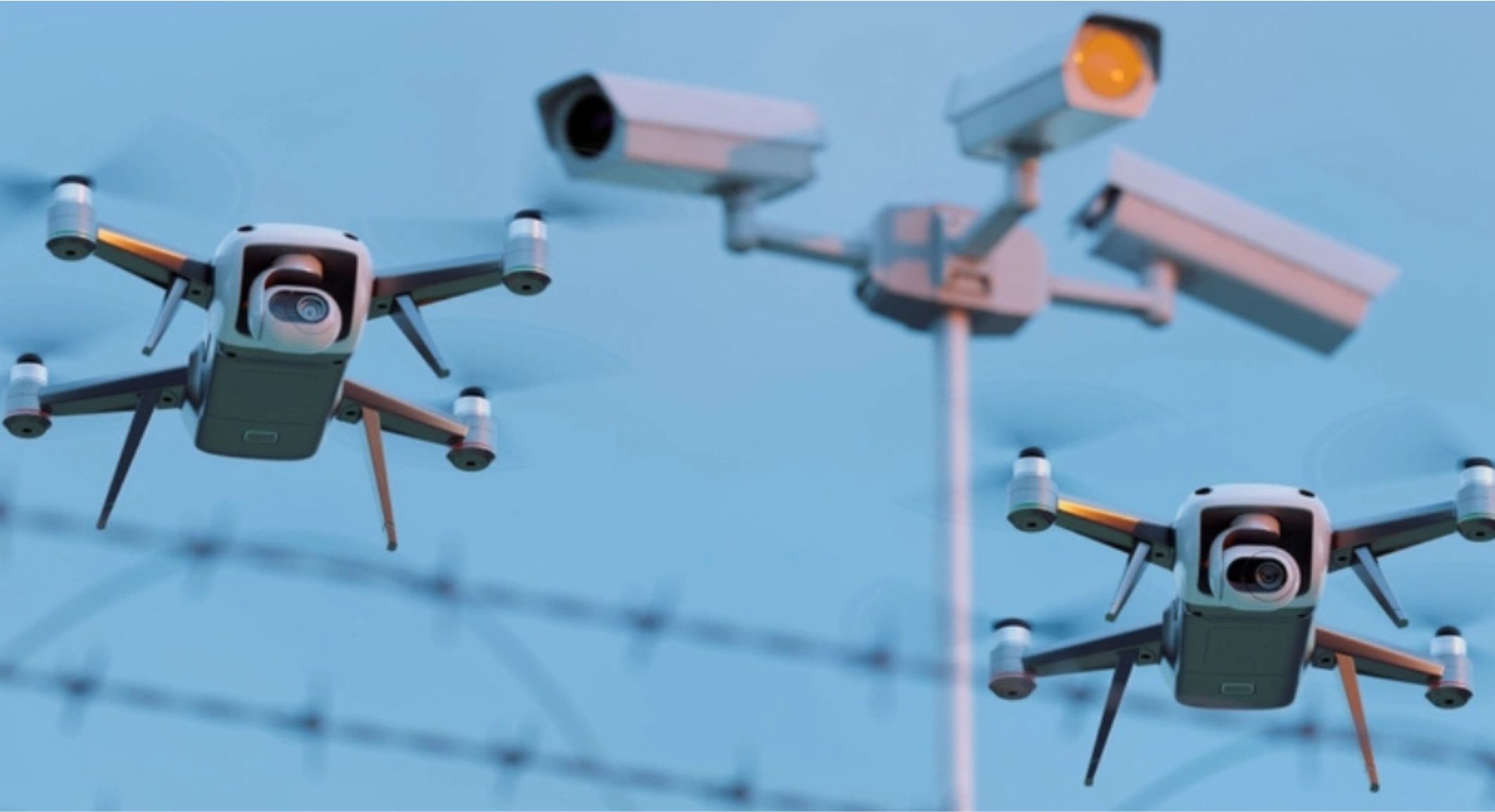
 Optimizing perimeter surveillance drones involves a series of strategic advancements in their design, operation, and technological integration. These efforts aim to enhance the security and operational capabilities of unmanned aerial vehicles (UAVs) while ensuring they meet the increasing demands of modern surveillance and monitoring systems. Below are key areas of optimization that can significantly improve the effectiveness of perimeter surveillance drones:
- AI-Driven Path Optimization
- Incorporating artificial intelligence (AI) allows drones to dynamically adjust flight paths based on real-time data, environmental conditions, and threat assessments.
- Machine learning algorithms can enable predictive analytics, helping drones identify potential vulnerabilities or threats along the perimeter.
- Enhanced Sensor Integration
- Advanced sensors such as lidar, thermal cameras, and multispectral imaging enable more precise detection of anomalies, intrusions, and environmental hazards.
- Integrating sound and vibration sensors can add an additional layer of threat detection, particularly in industrial or high-risk zones.
- Extended Flight Duration
- Improving battery technology and integrating solar panels on drones can significantly extend their operational time, reducing the frequency of recharging or swapping batteries.
- Hybrid propulsion systems combining electric and fuel-based power sources can further enhance flight endurance.
- Collaborative Drone Operations
- Developing swarm technology enables multiple drones to operate in coordinated patterns, ensuring comprehensive coverage of large perimeters without gaps in surveillance.
- Collaborative operations allow for real-time sharing of data between drones, enhancing situational awareness and response capabilities.
- Real-Time Analytics and Communication
- Leveraging real-time data analytics platforms ensures that security teams can act on insights immediately.
- Advanced communication systems, including 5G and encrypted networks, facilitate seamless and secure data transmission between drones and ground control stations.
- Autonomous Decision-Making
- Autonomous drones can assess threats, prioritize actions, and deploy countermeasures without direct human intervention, reducing response times and improving operational efficiency.
- Automated docking and recharging systems further reduce the need for manual intervention, ensuring continuous operation.
- Improved Navigation Systems
- Incorporating GPS-denied navigation capabilities ensures drones can operate effectively in areas with weak or no GPS signals.
- Enhancements in obstacle avoidance systems using AI-driven vision processing improve safety during operation in complex environments.
- Counter-Drone Detection and Mitigation
- As drones are increasingly used for unauthorized activities, perimeter surveillance drones can be equipped with counter-drone technologies, such as jammers and interception systems.
- Detection mechanisms using RF, radar, and optical tracking can help identify and neutralize rogue UAVs.
- Durable and Weather-Resistant Designs
- Building drones with durable materials that can withstand extreme weather conditions ensures uninterrupted performance in diverse environments.
- Modular designs allow for easy upgrades and maintenance, enhancing the lifecycle of UAVs.
- Sustainability Features
- The integration of eco-friendly materials and renewable energy sources aligns drone operations with sustainable practices.
- Implementing efficient energy management systems reduces the overall carbon footprint of drone operations.
Implementation Benefits
By optimizing these aspects, perimeter surveillance drones can:
- Provide unmatched situational awareness and threat detection.
- Operate reliably across diverse and challenging environments.
- Minimize operational costs while maximizing security outcomes.
Optimizing perimeter surveillance drones is vital for modern security systems to address evolving threats and challenges. As technology advances, these UAVs will continue to play a pivotal role in securing critical infrastructures, industrial facilities, and sensitive locations.