























































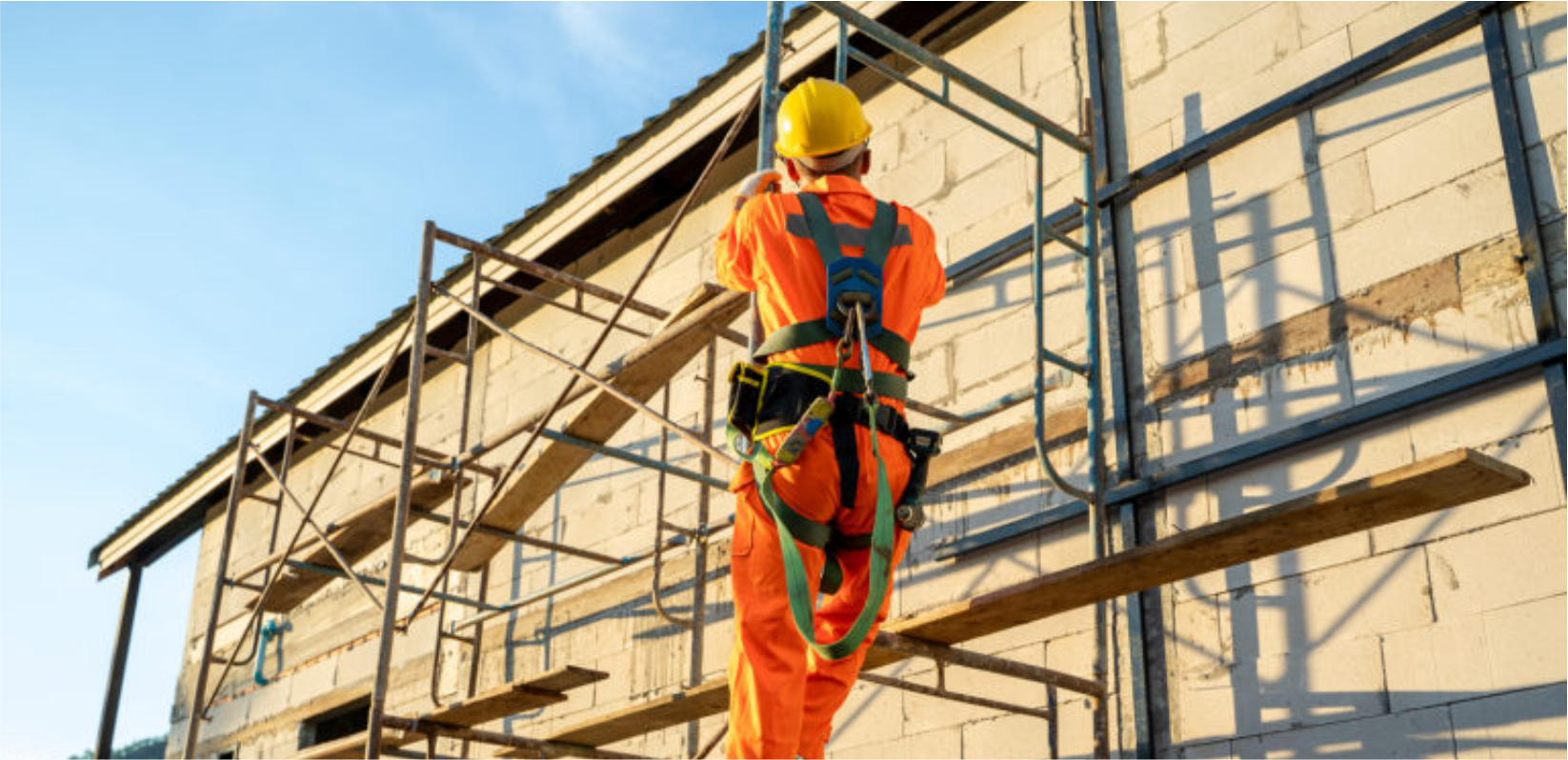
 The construction industry continues to be one of the most dynamic yet high-risk sectors globally, with working at height remaining a leading cause of fatalities and serious injuries. Despite decades of regulatory development and technological progress, falls from heights still account for a significant percentage of construction-related accidents. What is changing, however, is the way fall protection is being conceptualized, designed, and implemented. The industry is undergoing a fundamental shift from reactive, compliance-driven safety practices to proactive, technology-enabled, and system-oriented fall protection strategies. This revolution in fall protection is reshaping how construction companies manage risk, protect their workforce, and deliver projects safely, efficiently, and sustainably.
Traditionally, fall protection in construction was heavily reliant on personal protective equipment and basic collective measures, often introduced late in the project lifecycle. Safety controls were frequently viewed as an operational necessity rather than a design priority. This approach resulted in fragmented systems, inconsistent usage, and a high dependency on worker behavior. Modern construction safety management now recognizes that effective fall protection must begin at the planning and design stage.
Design for safety principles are increasingly being adopted, where architects, structural engineers, and project planners actively eliminate or reduce work-at-height requirements through design modifications, prefabrication, and modular construction techniques. By reducing exposure at source, organizations significantly lower fall risk before workers even enter the site.
 One of the most transformative developments in fall protection has been the increased adoption of engineered collective protection systems. Guardrails, edge protection systems, temporary barriers, safety nets, and covered openings are now being designed as integral components of construction workflows rather than temporary add-ons. These systems provide passive protection, meaning they do not rely on individual worker actions to be effective. From a risk control perspective, collective protection aligns strongly with the hierarchy of controls and delivers consistent safety outcomes across diverse skill levels. For large-scale infrastructure and high-rise projects, the use of modular and reusable edge protection systems has also improved installation speed, reduced material waste, and enhanced overall site productivity.
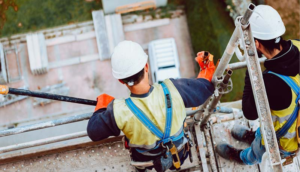 Personal fall protection systems, while still essential, are also evolving rapidly. Modern harnesses are ergonomically designed to improve comfort, reduce fatigue, and encourage consistent use during long work shifts. Advanced connectors, energy absorbers, and self-retracting lifelines are engineered to limit arrest forces and accommodate a wider range of user weights and working conditions. The integration of horizontal and vertical lifeline systems into building structures has further expanded safe access possibilities, particularly for façade work, formwork operations, and maintenance tasks during construction. Importantly, system-based design is replacing component-based selection, ensuring compatibility between harnesses, anchorages, connectors, and lifelines.
Anchorage solutions represent another area where innovation is driving change. Temporary and permanent anchorage systems are now being engineered with higher load capacities, easier installation methods, and compliance with international standards.
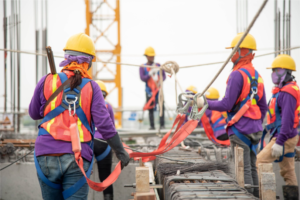 In many projects, anchorage points are being incorporated directly into structural elements during construction, enabling safer access throughout the building lifecycle. This forward-looking approach benefits not only construction workers but also future maintenance and inspection teams. For developers and contractors, investing in engineered anchorage systems reduces long-term liability and enhances asset value by embedding safety into the structure itself.
Digitalization and smart technologies are playing an increasingly influential role in revolutionizing fall protection. Wearable technology, including smart harnesses and sensors, can monitor worker movement, detect falls, and trigger real-time alerts to supervisors and emergency response teams.
Data analytics platforms are being used to track near-misses, unsafe behaviors, and equipment usage trends, enabling predictive risk management. Building Information Modeling (BIM) is also being leveraged to identify fall hazards during the design phase and to plan safe access routes and protection systems before construction begins. For large construction firms, these technologies provide valuable insights that support continuous improvement and evidence-based decision-making.