


















































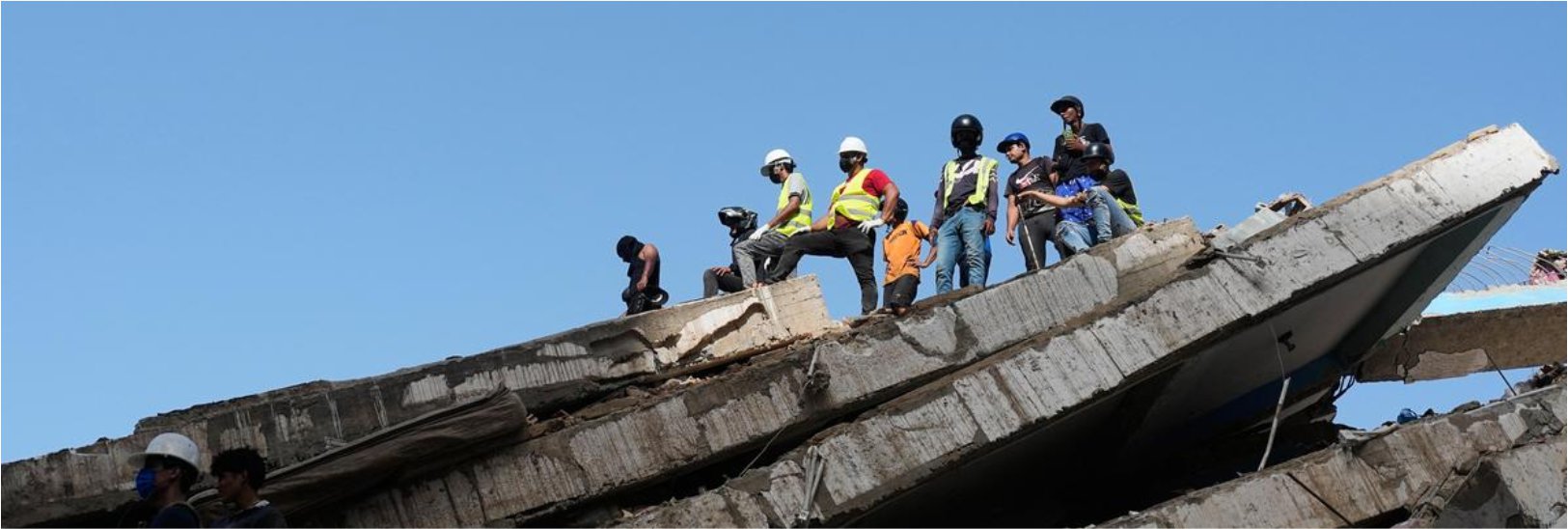
 On 24 June 2026, Venezuela experienced one of the most devastating natural disasters in its modern history when two powerful earthquakes, measuring Magnitude 7.2 and Magnitude 7.5, struck within less than one minute of each other along the country’s northern Caribbean coast. The shallow earthquakes generated extremely intense ground shaking across large parts of the country, particularly affecting La Guaira, Caracas, Miranda, Yaracuy, Carabobo, Falcón, and surrounding regions. The twin seismic events caused widespread collapse of residential buildings, hospitals, commercial complexes, transport infrastructure, and public utilities, triggering an unprecedented national and international search and rescue operation. Early reports indicated hundreds of fatalities, but as rescue teams gained access to heavily damaged areas, the death toll continued to rise while thousands remained injured or unaccounted for. The disaster rapidly evolved from a national emergency into a major international humanitarian operation requiring coordinated Urban Search and Rescue (USAR), emergency medical support, engineering expertise, logistics, and humanitarian assistance.
Immediate Emergency Response
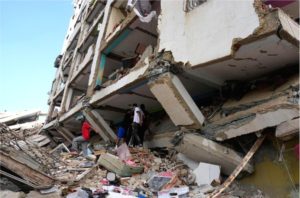 Within hours of the earthquakes, the Venezuelan government declared a national state of emergency and activated its national disaster management mechanisms. Civil Protection authorities, municipal fire departments, police agencies, military engineering units, emergency medical services, and volunteer organizations were mobilized to conduct life-saving operations. Priority objectives included rescuing survivors trapped beneath collapsed buildings, evacuating damaged hospitals, restoring emergency communications, securing hazardous areas, and providing immediate medical care to injured civilians.
Thousands of military personnel and police officers were deployed to support search operations, maintain public order, protect critical infrastructure, and establish secure access corridors for emergency responders. Road closures were implemented in severely affected districts to facilitate uninterrupted movement of rescue vehicles, ambulances, heavy equipment, and humanitarian convoys. Emergency shelters were rapidly established in schools, sports facilities, hotels, and public buildings for displaced families.
Urban Search and Rescue Operations
The rescue operation focused primarily on heavily damaged urban centers where numerous multi-storey residential buildings, hotels, commercial complexes, and public facilities had collapsed. Urban Search and Rescue teams employed internationally recognized rescue methodologies involving systematic reconnaissance, structural assessment, victim location, technical rescue, medical stabilization, and controlled debris removal.
Specialized rescue teams operated continuously in high-priority locations using:
- Thermal imaging cameras
- Acoustic life detection systems
- Search cameras
- Seismic listening devices
- Fiber-optic cameras
- Rescue dogs (K9 units)
- Concrete cutting and breaching equipment
- Hydraulic lifting systems
- Heavy cranes and excavators
- Structural stabilization equipment
Engineers conducted continuous structural assessments before rescuers entered damaged buildings to minimize the risk of secondary collapse during rescue activities. Rescue operations were further complicated by frequent aftershocks that destabilized already weakened structures and forced temporary suspension of operations in several locations.
International Search and Rescue Assistance
Recognizing the scale of the disaster, Venezuela requested international assistance through humanitarian coordination mechanisms. Within days, numerous countries deployed specialized Urban Search and Rescue teams, emergency medical personnel, engineers, logistics experts, and humanitarian aid.
International assistance included:
- UN-certified Urban Search and Rescue Teams
- Emergency medical field hospitals
- Structural engineers
- Heavy rescue specialists
- Firefighters
- Disaster logistics personnel
- Water purification systems
- Temporary shelter equipment
- Medical supplies
- Search equipment
- Heavy rescue machinery
More than 1,600 international rescue personnel arrived aboard multiple humanitarian flights, while additional rescue teams continued to deploy from neighboring countries and international partners. Coordination efforts were supported by United Nations humanitarian agencies and regional organizations to ensure effective allocation of resources and avoid duplication of rescue efforts.
Medical Response and Casualty Management
Healthcare systems experienced severe operational stress following the earthquakes. Numerous hospitals sustained structural damage while simultaneously receiving thousands of trauma patients. Emergency medical teams established temporary treatment centers and field hospitals to manage mass casualty incidents.
Medical priorities included:
- Trauma stabilization
- Crush syndrome management
- Orthopedic surgery
- Emergency blood transfusions
- Critical care
- Pediatric emergency treatment
- Psychological first aid
- Public health surveillance
Ambulance services coordinated patient transfers to functioning healthcare facilities throughout the country. International medical teams supplemented local healthcare workers by providing specialized trauma care, emergency surgery, pharmaceuticals, and medical equipment.
Engineering and Infrastructure Challenges
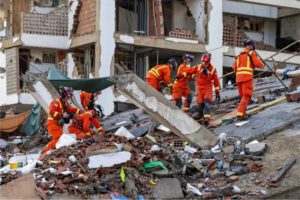 The earthquakes caused widespread damage to transportation networks, airports, bridges, utilities, and communication systems. Several highways became impassable due to collapsed overpasses, landslides, and debris accumulation. Structural damage to the main international airport significantly disrupted humanitarian air operations during the initial response phase.
Critical infrastructure challenges included:
- Electrical grid failures
- Water distribution interruptions
- Telecommunications outages
- Gas supply disruptions
- Fuel shortages
- Damaged hospitals
- Unsafe public buildings
Engineering teams conducted rapid damage assessments while emergency repair crews worked to restore essential services needed for rescue operations and humanitarian relief.
Humanitarian Challenges
The disaster displaced thousands of families who lost their homes or were evacuated from structurally unsafe buildings. Humanitarian organizations prioritized:
- Emergency shelter
- Food distribution
- Drinking water
- Hygiene facilities
- Child protection
- Medical assistance
- Family reunification
- Psychosocial support
Relief operations also focused on protecting vulnerable populations including elderly residents, children, persons with disabilities, and individuals requiring chronic medical care. Public health surveillance monitored potential disease outbreaks associated with overcrowded shelters and disrupted sanitation systems.
Role of Technology
Modern disaster technologies significantly enhanced rescue effectiveness throughout the operation. Unmanned Aerial Vehicles (UAVs) provided rapid aerial damage assessments, identified inaccessible areas, monitored structural hazards, and supported operational planning.
Satellite imagery enabled emergency managers to:
- Map damaged neighborhoods
- Identify collapsed buildings
- Assess transportation routes
- Monitor landslides
- Prioritize rescue deployment
- Coordinate humanitarian logistics
Digital victim registration systems improved accountability, while emergency communication platforms facilitated coordination among multiple national and international response agencies.
India’s Humanitarian Contribution
India demonstrated its growing role in international disaster response by launching Operation Amistad, deploying a specialized emergency medical team from the Indian Army along with humanitarian relief supplies. The mission included medical personnel, emergency equipment, medicines, and advanced field hospital capabilities to support Venezuelan authorities during rescue and recovery operations. This deployment reflected India’s expanding capacity as a global humanitarian first responder during major international disasters.
Lessons Learned
The Venezuela earthquake response reinforced several important principles for future disaster management:
- Rapid international cooperation significantly improves survival rates.
- Urban Search and Rescue capability remains essential for earthquake-prone regions.
- Structural resilience and earthquake-resistant construction save lives.
- Redundant communication systems are critical when conventional infrastructure fails.
- Heavy engineering support must accompany rescue operations.
- Community preparedness and public awareness improve early survival.
- Drone technology, satellite imagery, and digital mapping accelerate situational awareness.
- Multi-agency coordination through standardized incident command systems enhances operational efficiency.