























































 According to FEMA (Federal Emergency Management Agency), about 51% of residential fire-related deaths in the US happen between 11 PM and 7 AM when most people are asleep.
If a fire begins in your home while you’re asleep, you may only have a few minutes to get out. That’s why in this article, we’ll talk about what you should do if a fire starts while you’re asleep.
What to Do If a Fire Starts While You’re Sleeping
Here’s what you must do if a fire breaks out while you’re asleep:
- Extinguish the fire if possible.
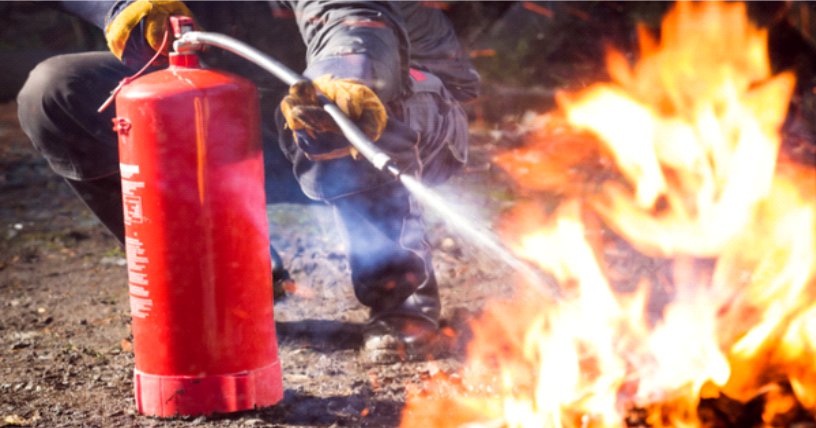
If you hear your smoke alarm beeps and the fire can be contained, grab your fire extinguisher or Hero Fire Spray. Aim it at the base of the fire and spray from side to side until the fire is extinguished. If the fire is too big to handle by yourself, follow the next steps.
- Crawl under the smoke to escape.
Smoke and poisonous gases can cause lightheadedness or loss of consciousness if inhaled. If the fire can’t be contained and you see smoke, go low to the ground. To escape the fire and smoke, crawl to the closest exit. Hold your breath as much as you can to prevent inhaling smoke.
- Check if the doorknobs are hot.
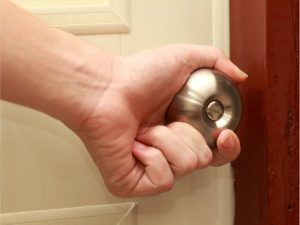 If the nearest exit is a closed door, you must check if the knob is hot. If it’s warm to the touch, there might be fire on the other side. Don’t go through it. Go to the second nearest exit instead. Never in a closet or under the bed, even if you’re afraid. If you do this, you might lose consciousness from the smoke and the firefighters will have a hard time finding you. Remember, the sooner you can get out, the better.
- Run to safety.
After making your way outside, run away from the fire to safety. A part of your house may catch fire and fall around, so run down the block or your designated meeting place (according to your fire escape plan).
- Call for help.
 Call 911 after you get away from the fire. If you don’t have a phone, go to your neighbor’s house to ask for help. You can call 911 using their phone or ask them to call 911 for you. Tell the operator that there’s a fire at your house. Keep the line open to see if they need any other information.
What if You Can’t Get Out Right Away?
If you can’t get out right away, yell or call for help. Do this from an open window or call 911 if you have your phone. After doing this, keep heat and smoke from getting to your room by blocking the cracks around your door using blankets, sheets, and clothing. If there’s a window in the room, open it wide and stand in front of it. If you have a collapsible ladder, use it. If not, grab a piece of clothing or towel and place it over your mouth to prevent you from inhaling smoke. If you get stuck on an upper story of a building, hang sheets or any cloth large enough to get people’s attention out of the window to let people and the firefighters know where you are.
Conclusion
Knowing what to do if a fire starts while you’re asleep helps you get into safety. Above all else, make sure you have a fire exit strategy and fire safety kit so you and your family stay safe if a fire occurs.