


















































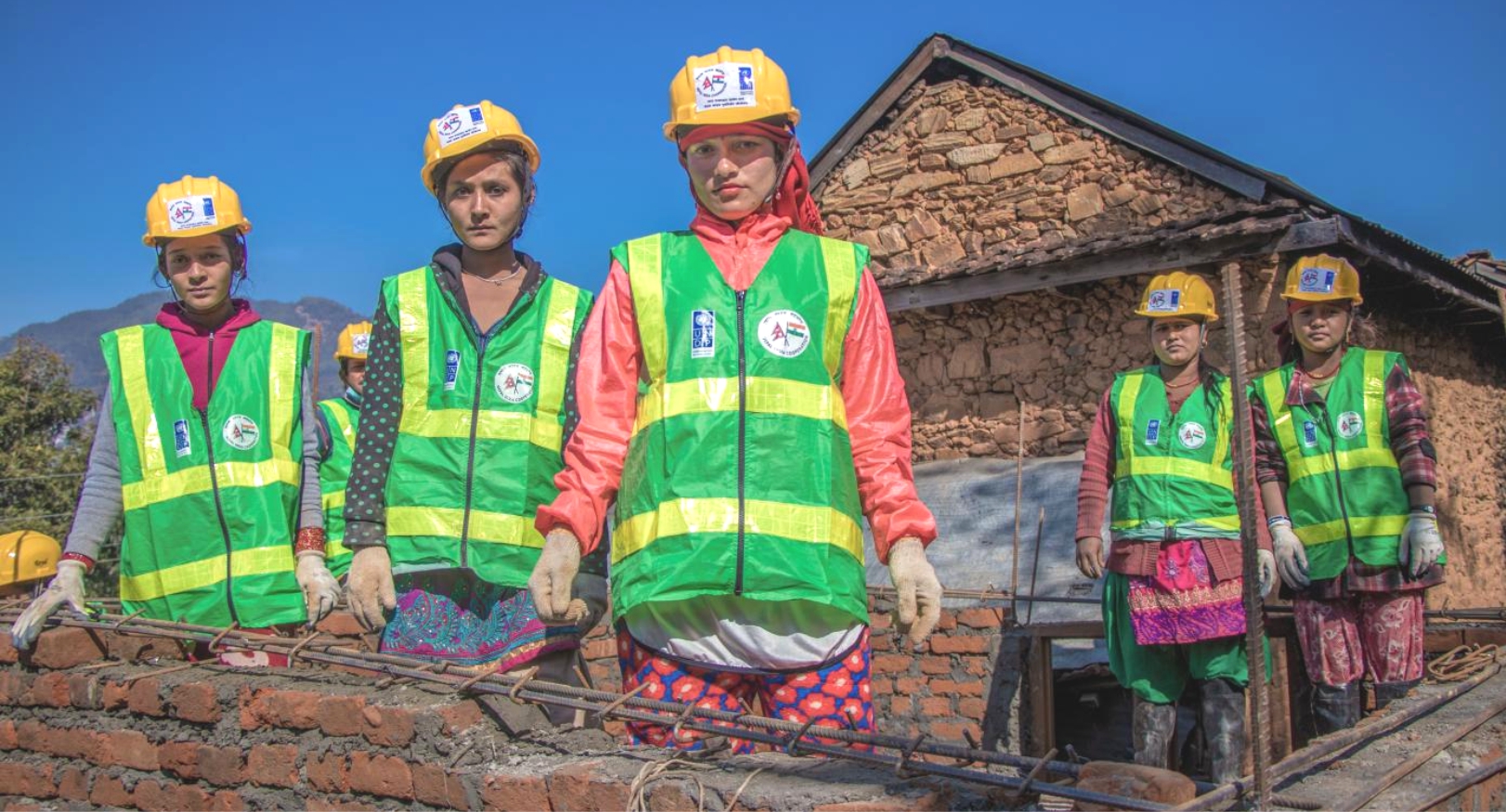
 The global emergency response and rescue management sector is undergoing a gradual but significant transformation as women increasingly enter operational, technical, strategic, and leadership roles across firefighting, disaster response, emergency medical services, industrial safety, law enforcement support, humanitarian rescue, and crisis management domains. Historically considered a male-dominated profession due to its physically demanding, high-risk, and psychologically intense nature, rescue management is now evolving into a more inclusive and capability-driven field where competence, technical knowledge, operational intelligence, communication skills, leadership, and adaptability are recognized as critical success factors beyond traditional gender assumptions. Across fire services, industrial emergency response teams, disaster management agencies, military rescue divisions, aviation emergency units, search and rescue organizations, and humanitarian relief networks, women are demonstrating remarkable operational efficiency and leadership capabilities in environments previously considered inaccessible to them. However, despite growing participation and increasing institutional recognition, women in rescue management continue to face numerous structural, operational, cultural, and organizational challenges that influence career progression, workplace integration, operational deployment, and leadership opportunities.
The importance of women’s participation in rescue management extends far beyond workforce diversity. Modern emergency response systems require multidimensional skill sets involving communication, crisis negotiation, medical coordination, psychological support, strategic planning, community engagement, operational analysis, and team leadership in addition to physical intervention capabilities. Women contribute significantly to many of these operational dimensions while also enhancing organizational inclusivity, public engagement, and workforce resilience. In mass casualty situations, disaster shelters, refugee management, evacuation operations, medical emergencies, and humanitarian relief environments, female responders often play a critical role in interacting with women, children, elderly individuals, trauma victims, and vulnerable populations who may respond more comfortably to female personnel. In culturally sensitive environments, especially across parts of Asia, the Middle East, and conservative social settings, the presence of women responders becomes operationally essential for search procedures, medical support, shelter coordination, and survivor interaction.
The evolution of women’s participation in rescue management has been gradual and often shaped by broader social transformation movements related to workplace equality, educational access, and institutional modernization. Traditionally, firefighting and rescue operations were associated with extreme physical labor, heavy equipment handling, and hazardous field conditions, leading many agencies to exclude women either formally or informally. Over time, however, advances in technology, mechanized rescue systems, protective equipment design, communication tools, robotics, and operational specialization have changed the nature of emergency response work significantly. Modern rescue operations increasingly depend on technical expertise, situational intelligence, hazard analysis, digital coordination systems, drone operations, incident command management, medical response capabilities, and interdisciplinary collaboration rather than relying solely on brute physical strength. This operational evolution has opened greater opportunities for women to contribute effectively across multiple emergency management disciplines.
Despite this progress, women in rescue management continue to face significant operational challenges beginning with recruitment and entry barriers. In many countries and organizations, gender stereotypes regarding physical capability, emotional resilience, and operational suitability continue to influence hiring practices and workplace attitudes. Women applicants may encounter skepticism regarding their ability to perform physically demanding tasks such as carrying casualties, operating heavy rescue equipment, climbing structures, or working extended hours under extreme environmental conditions. In some organizations, recruitment standards may unintentionally favor traditional male physiological benchmarks without adequately evaluating role-specific competencies or technological support systems that reduce physical workload disparities. These barriers can discourage talented women from pursuing careers in emergency response despite possessing the necessary technical, analytical, and leadership abilities.
Workplace culture represents another major challenge confronting women in rescue management. Many emergency response organizations continue to operate within deeply traditional institutional cultures shaped by decades of male dominance. Female responders may face exclusion from informal decision-making networks, reduced operational trust, discriminatory attitudes, biased performance evaluation, inappropriate behavior, or lack of mentorship opportunities. In some cases, women may be assigned administrative or support functions rather than frontline operational roles due to persistent assumptions regarding capability limitations. Such practices not only restrict professional growth but also deprive organizations of valuable operational talent and leadership diversity.
Operational deployment environments can also create unique challenges for women responders. Rescue operations often involve extended shifts, harsh environmental conditions, remote disaster zones, overnight deployments, disaster camps, hazardous exposure, and physically demanding activities under psychologically stressful conditions. Inadequate infrastructure such as separate accommodation facilities, sanitation arrangements, changing rooms, personal protective equipment designed specifically for women, and gender-sensitive deployment policies can create additional operational discomfort and safety concerns. Many protective suits, firefighting gear, breathing apparatus systems, and rescue equipment have historically been designed primarily around male body dimensions, leading to fitting issues that can compromise comfort, mobility, operational efficiency, and even safety for female responders.
Physical fitness standards remain a sensitive and often controversial issue within rescue management sectors worldwide. Emergency response undeniably requires physical capability, stamina, endurance, and operational readiness. However, debates continue regarding whether fitness assessments should emphasize generalized strength benchmarks or focus more specifically on functional task performance directly related to operational responsibilities. Modern rescue systems increasingly utilize hydraulic tools, powered lifting equipment, mechanized transport systems, drones, robotics, and team-based operational structures that reduce dependence on raw individual strength alone. Many experts argue that rescue agencies should prioritize role-specific competency assessments combining physical readiness with technical proficiency, situational judgment, communication skills, and operational decision-making capabilities. Women across various emergency services globally have consistently demonstrated that when provided with proper training, equipment, and operational integration, they are fully capable of performing demanding rescue tasks effectively.
Psychological challenges also affect women in rescue management, particularly in environments where they remain underrepresented. Female responders may experience increased pressure to constantly prove competence, maintain exceptional performance standards, or avoid mistakes that could reinforce negative stereotypes. Continuous exposure to traumatic incidents, fatalities, mass casualties, disaster devastation, and operational stress can affect mental health significantly. While such psychological pressures impact all responders regardless of gender, women operating in unsupportive or biased workplace cultures may face additional emotional burdens related to isolation, discrimination, or lack of peer support. Mental health support systems, peer counseling programs, trauma recovery initiatives, and inclusive organizational leadership are therefore essential for maintaining workforce resilience.
Leadership opportunities for women in rescue management have improved considerably in recent decades, although challenges remain substantial. Across the world, women are increasingly occupying leadership positions within fire departments, disaster management authorities, humanitarian organizations, industrial safety divisions, and emergency medical services. Female leaders are contributing to policy development, operational planning, training modernization, technology integration, crisis communication, community outreach, and institutional reform. Their presence is helping reshape organizational cultures and encouraging broader workforce participation. However, leadership progression often remains slower for women due to limited mentorship access, networking barriers, unconscious bias, and underrepresentation in senior operational roles traditionally viewed as prerequisites for executive advancement.