


















































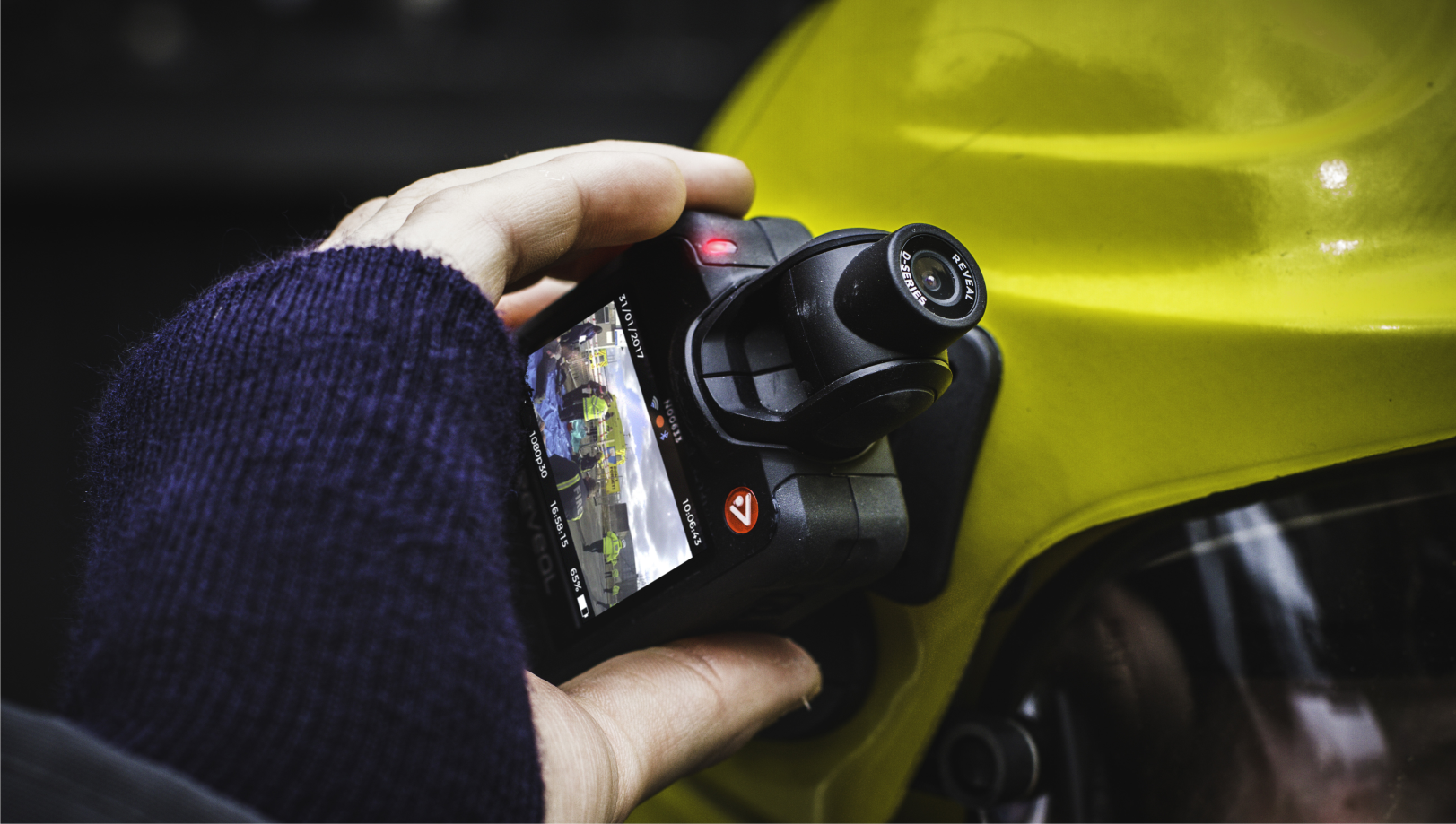
 In high-risk rescue environments—ranging from industrial fire incidents and confined space rescues to urban disaster response and port emergencies—visibility is often the most constrained and yet the most critical resource. Incident commanders are required to make rapid, high-impact decisions based on fragmented inputs, delayed field reports, and limited visual confirmation of on-ground realities. This visibility gap has historically led to inefficiencies in coordination, delayed interventions, increased risk exposure for responders, and, in some cases, preventable casualties. The integration of body-worn cameras (BWCs) into rescue operations represents a transformative advancement in bridging this gap, enabling real-time command visibility, enhancing operational transparency, and significantly improving the quality and speed of decision-making in complex emergency scenarios. Body-worn cameras, typically mounted on helmets, chest harnesses, or protective gear, are designed to capture high-definition video and audio from the responder’s point of view.
When integrated with secure wireless communication networks, these devices transmit live feeds to centralized command and control centers, allowing incident commanders to observe unfolding situations as if they were physically present on-site. This real-time visual intelligence fundamentally alters the dynamics of emergency response, shifting from reactive interpretation of verbal reports to proactive, evidence-based decision-making. In environments such as mega cities, Special Economic Zones (SEZs), ports, and industrial corridors—where incident complexity is amplified by scale, infrastructure density, and hazardous materials—the value of such visibility cannot be overstated.
One of the primary advantages of BWCs in rescue operations is the enhancement of situational awareness. Traditional communication methods, such as radio transmissions and written reports, are inherently limited by subjectivity, misinterpretation, and time delays. In contrast, live video feeds provide an unfiltered, contextual understanding of the incident, including fire behavior, structural integrity, victim locations, environmental conditions, and responder actions. For example, in a high-rise fire scenario, a firefighter equipped with a BWC can transmit live visuals of smoke conditions, flame spread, and accessibility of evacuation routes, enabling the command center to dynamically adjust rescue strategies, allocate resources more effectively, and issue precise instructions to field teams.
Beyond situational awareness, BWCs play a critical role in improving coordination and communication across multi-agency response frameworks. Major incidents often involve multiple stakeholders, including fire services, emergency medical teams, law enforcement, industrial safety units, and private security personnel. Each agency operates with its own protocols, communication systems, and operational priorities, which can lead to fragmentation and inefficiencies. By providing a common visual platform, BWCs enable all stakeholders to access the same real-time information, fostering a shared understanding of the incident and facilitating synchronized decision-making. This is particularly valuable in complex environments such as ports and industrial corridors, where simultaneous operations across different zones require precise coordination to avoid conflicts and ensure safety.
Accountability and transparency are additional benefits that BWCs bring to rescue operations. In the aftermath of major incidents, there is often a need for detailed investigation and analysis to identify root causes, evaluate response effectiveness, and implement corrective measures. Video footage captured by BWCs serves as an objective record of events, providing valuable insights into responder actions, decision-making processes, and operational challenges. This not only supports post-incident analysis and training but also enhances accountability by ensuring that all actions are documented and can be reviewed. In regulated environments such as SEZs and industrial facilities, this capability aligns with compliance requirements and supports continuous improvement in safety practices.
The integration of BWCs with advanced technologies further amplifies their impact. When combined with Internet of Things (IoT) sensors, drones, and Geographic Information Systems (GIS), BWCs become part of a comprehensive digital ecosystem that delivers multi-dimensional situational awareness. For example, a responder’s BWC feed can be overlaid on a GIS map, showing their exact location within a facility or disaster zone. This geospatial context enables command teams to track personnel movements, identify coverage gaps, and optimize resource deployment. Additionally, artificial intelligence (AI) algorithms can analyze video feeds in real time to detect hazards such as fire hotspots, gas leaks, or structural anomalies, providing automated alerts and decision support to commanders.
Despite their advantages, the deployment of BWCs in rescue operations presents several technical and operational challenges that must be addressed to ensure effectiveness. One of the primary challenges is network reliability and bandwidth availability. Real-time video streaming requires robust, high-speed communication infrastructure, which may not always be available in disaster-affected areas or remote industrial zones. The adoption of technologies such as 5G, mesh networks, and satellite communication can mitigate this challenge by providing resilient and high-capacity connectivity. Edge computing can also be leveraged to process video data locally on the device or nearby nodes, reducing latency and bandwidth requirements while ensuring continuous operation even in low-connectivity environments.
Data management and storage represent another critical consideration. Continuous video recording generates large volumes of data, which must be securely stored, managed, and accessed. Organizations must implement scalable storage solutions, such as cloud-based platforms, along with data retention policies that balance operational needs with regulatory requirements. Data security is equally important, as video feeds may contain sensitive information related to infrastructure, personnel, and incident details. Encryption, access controls, and cybersecurity protocols are essential to protect this data from unauthorized access and potential misuse. Human factors and user acceptance also play a significant role in the successful implementation of BWCs. Responders must be trained not only in the technical use of the devices but also in understanding their role within the broader operational framework. Concerns related to privacy, surveillance, and increased scrutiny may arise, particularly if BWCs are perceived as tools for monitoring rather than support. Clear communication, policy frameworks, and engagement with personnel are necessary to address these concerns and foster a culture of trust and collaboration. When positioned as enablers of safety, efficiency, and support, BWCs are more likely to be embraced by field teams.
From a governance perspective, the deployment of BWCs requires well-defined policies and standard operating procedures (SOPs). These should cover aspects such as when and how cameras are activated, data access and sharing protocols, privacy considerations, and compliance with legal and regulatory frameworks. In multi-agency environments, standardized guidelines are essential to ensure consistency and interoperability across different organizations. Public-private partnerships can also play a role in developing and implementing these frameworks, particularly in industrial corridors and SEZs where multiple stakeholders operate.
Economically, the investment in BWC systems must be evaluated against the broader benefits of improved operational efficiency, reduced risk exposure, and enhanced accountability. While the initial costs of procurement, integration, and training may be significant, the long-term returns in terms of reduced incident impact, faster recovery, and improved safety performance justify the investment. For organizations operating in high-risk sectors such as oil and gas, manufacturing, and logistics, BWCs can also contribute to insurance benefits and compliance with international safety standards.