
















































 Falls from height remain one of the leading causes of fatalities and serious injuries across construction, infrastructure, maintenance, oil & gas, and industrial operations. Despite advancements in safety systems and regulatory frameworks, incidents involving falls continue to occur due to gaps in planning, inadequate protection systems, behavioral non-compliance, and insufficient supervision. In high-risk work environments, fall protection is not merely a regulatory requirement—it is a critical life-saving system that must be engineered, enforced, and continuously monitored as part of an organization’s core safety strategy.
Working at height introduces a unique set of hazards where the margin for error is extremely limited. Whether it involves scaffolding, rooftops, ladders, elevated platforms, or structural steel work, the risk of losing balance, slipping, or structural failure can result in catastrophic outcomes. The physics of a fall is unforgiving within seconds, a minor misstep can translate into severe injury or fatality. Therefore, fall protection systems must be designed to prevent falls wherever possible and minimize impact where prevention is not feasible.
The foundation of effective fall protection lies in the hierarchy of controls, which prioritizes elimination and prevention over reliance on personal protective equipment. The first step is to assess whether working at height can be avoided altogether through design modifications, prefabrication at ground level, or the use of automated systems. Where elimination is not possible, engineering controls such as guardrails, edge protection systems, safety nets, and covered openings must be implemented to create a secure working environment. These systems provide collective protection, ensuring that all workers are safeguarded without relying solely on individual compliance.
Guardrails and edge protection systems are among the most effective fall prevention measures. When properly installed, they create a physical barrier that prevents workers from accessing fall hazards. These systems must be designed to withstand specified loads and should include top rails, mid rails, and toe boards where required. Safety nets, on the other hand, act as fall arrest systems by catching workers in the event of a fall, reducing the risk of injury. They are particularly useful in large-scale construction projects where traditional barriers may not be feasible.
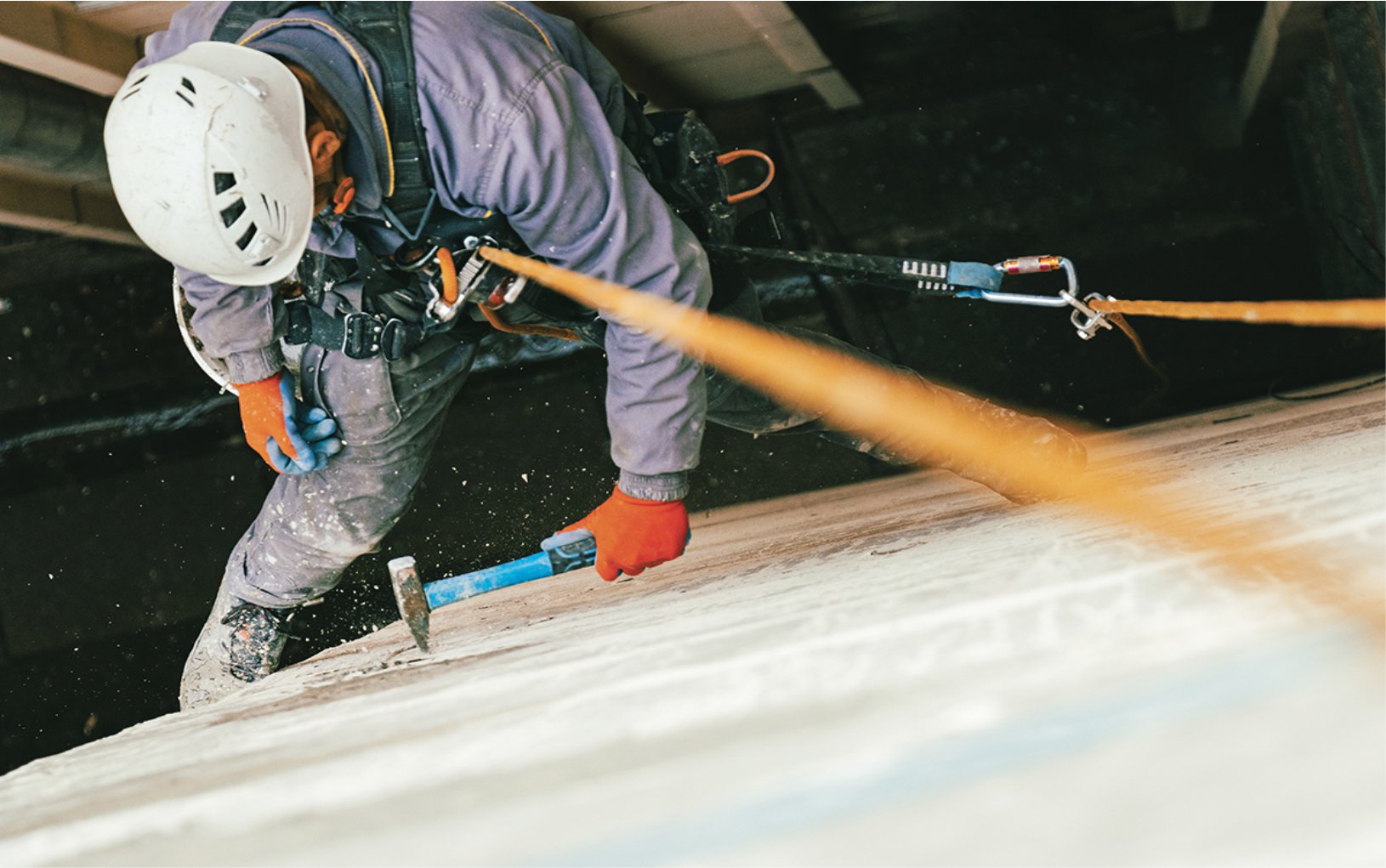
In scenarios where engineering controls cannot fully eliminate fall risks, personal fall protection systems become essential. These include full-body harnesses, lanyards, lifelines, and anchorage points. Unlike basic PPE, fall protection equipment must be part of a complete and compatible system designed to arrest falls safely. The selection of these systems requires careful consideration of factors such as fall distance, clearance requirements, load capacity, and anchorage strength. Improper selection or installation can lead to system failure, resulting in serious consequences.
One of the most critical aspects of personal fall protection is anchorage. The anchorage point must be capable of supporting the forces generated during a fall arrest, typically several times the worker’s body weight. Using inadequate or improvised anchorage points is a common cause of system failure. Therefore, all anchorage systems must be engineered, tested, and certified to meet applicable safety standards. In addition, horizontal and vertical lifeline systems must be designed to ensure continuous protection as workers move across elevated surfaces.
Another key consideration is fall clearance—the distance required to safely arrest a fall without the worker striking a lower level. This includes the length of the lanyard, the deceleration distance, the height of the worker, and a safety margin. Miscalculations in fall clearance can render a fall protection system ineffective, even if all components are technically compliant. Safety professionals must therefore conduct detailed calculations and site assessments to ensure that adequate clearance is maintained at all times.
Training and competency are critical to the effectiveness of fall protection systems. Workers must be trained not only in the use of equipment but also in hazard recognition, system limitations, and emergency response procedures. This includes understanding how to inspect harnesses and lanyards, identify defects, and ensure proper fitment. Training should also cover rescue procedures, as suspended workers can experience suspension trauma if not rescued promptly. Regular drills and refresher training help reinforce these competencies and ensure readiness in real-world scenarios.
 Supervision and enforcement play a vital role in maintaining compliance with fall protection requirements. Even the most advanced systems can fail if not used correctly. Safety officers and supervisors must conduct regular inspections, monitor work practices, and intervene immediately in cases of non-compliance. Behavioral factors, such as taking shortcuts or removing protective equipment for convenience, must be addressed through a combination of coaching, accountability, and cultural reinforcement.
Planning is another essential component of fall protection. Before any work at height begins, a detailed risk assessment and method statement must be developed. This should identify potential hazards, define control measures, and outline emergency response procedures. Permit-to-work systems are often used to ensure that all safety requirements are met before work is authorized. These systems provide a structured approach to managing high-risk activities and ensure that responsibilities are clearly defined.
Environmental factors also influence fall risk and must be considered in safety planning. Weather conditions such as rain, wind, and extreme temperatures can affect surface stability and worker balance. Poor lighting, cluttered work areas, and inadequate access routes further increase the likelihood of falls. Implementing proper housekeeping practices, ensuring adequate illumination, and monitoring environmental conditions are essential to maintaining a safe working environment.
Technological advancements are enhancing fall protection capabilities and providing new opportunities for risk management. Smart harnesses equipped with sensors can detect falls and trigger alerts, while wearable devices can monitor worker movement and location. Drone inspections can be used to assess high-risk areas without exposing workers to hazards. These innovations are transforming fall protection from a reactive system into a proactive safety solution.
From a regulatory perspective, fall protection is governed by stringent standards and guidelines aimed at preventing accidents and ensuring worker safety. Compliance with these standards is not only a legal requirement but also a reflection of an organization’s commitment to safety excellence. Regular audits, inspections, and documentation are essential to demonstrate compliance and identify areas for improvement.
However, beyond systems, equipment, and regulations, fall protection ultimately depends on safety culture. Organizations that prioritize safety, invest in training, and empower workers to take ownership of their safety are more likely to achieve zero-fatality outcomes. Leadership commitment is critical in driving this culture, as it sets the tone for behavior and decision-making across all levels of the organization.
In conclusion, fall protection is a multi-dimensional discipline that requires a combination of engineering controls, personal protective systems, training, supervision, and cultural alignment. It is not a one-time implementation but a continuous process of assessment, improvement, and enforcement. In high-risk environments, where the consequences of failure are severe, there is no room for compromise. By adopting a proactive and systematic approach to fall protection, organizations can significantly reduce the risk of falls, protect their workforce, and ensure the successful execution of projects.