






































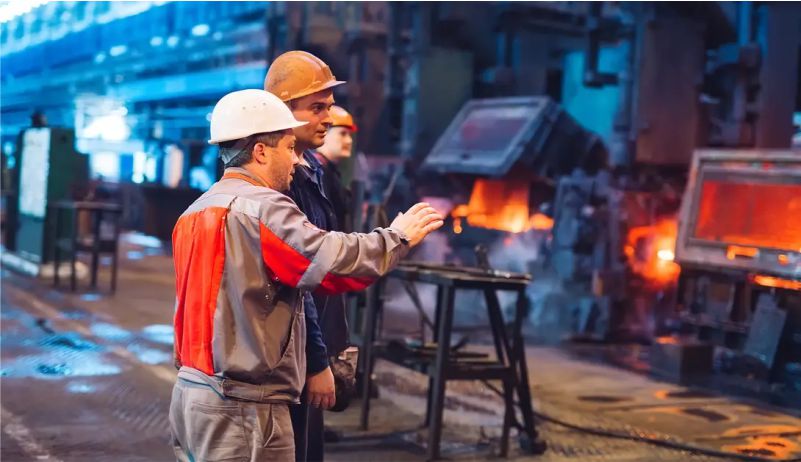
 Hot work—including welding, cutting, grinding, brazing, and torching—is a fundamental part of operations across a wide range of industries, from heavy manufacturing and petrochemical facilities to construction, shipbuilding, and energy infrastructure. While essential for the completion of critical tasks, hot work inherently introduces serious hazards that can threaten lives, property, and operational continuity. Fires, toxic fume exposure, burns, and radiation injuries are just a few of the risks that make hot work one of the most closely regulated and safety-intensive activities in industrial environments. For Environmental, Health, and Safety (EHS) professionals, the responsibility of managing these risks is paramount: every spark must be controlled, every hazard anticipated, and every worker protected.
The cornerstone of hot work safety is a robust permit-to-work program. Authorizing hot work without a formal permit is not only a violation of industry standards but a critical failure in risk management. Effective hot work programs require multiple layers of authorization, inspection, and documentation. Before any welding, cutting, or grinding activity commences, a certified EHS professional or qualified supervisor must inspect the work area, identify potential hazards, and ensure all required controls are in place. This permit process formalizes the expectation that work will not begin until all safety measures are confirmed, thereby preventing unintentional exposure to fire hazards or toxic substances. At DNV / [your company name], our approach emphasizes strict adherence to international standards, such as OSHA 29 CFR 1910.252 in the United States, EN ISO 14731 in Europe, and local jurisdictional codes, to ensure that hot work activities meet or exceed regulatory compliance while protecting personnel and assets.
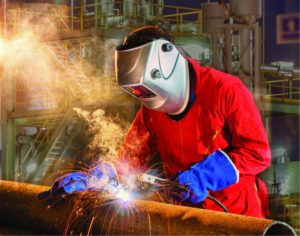 A critical element of hot work safety is area preparation. Combustible materials, flammable liquids, and volatile gases can transform even a minor spark into a catastrophic fire. Standard best practices dictate that all combustibles within a 35-foot radius of the work area must be either removed or adequately shielded with fire-resistant barriers. This includes not only obvious materials such as wooden pallets, paper products, and flammable liquids but also hidden or overlooked hazards such as insulation, ductwork, and even dust accumulation in industrial facilities. For complex environments where complete removal is impractical, fire-resistant blankets, welding screens, or other physical barriers are employed to prevent sparks from igniting surrounding materials. Our EHS teams conduct meticulous pre-work inspections to verify that these controls are properly installed and maintained throughout the duration of hot work operations.
Another non-negotiable safety requirement is the assignment of a dedicated fire watch. Fire watches are trained personnel tasked with monitoring the hot work site during operations and for a defined period after completion. Their responsibilities include identifying sparks that may escape protective barriers, observing for early signs of smoldering fires, and having immediate access to extinguishing equipment. Fire watches are not a discretionary resource; they are a mandatory control measure because even a small lapse in vigilance can lead to devastating consequences. In high-risk industrial environments, the role of a fire watch often extends to coordinating with on-site fire brigades, maintaining clear egress pathways, and documenting observations for regulatory compliance. By ensuring that a dedicated fire watch is present, organizations reinforce a culture of accountability, situational awareness, and proactive risk management.
Hot work exposes personnel to a wide range of specific hazards, each requiring targeted mitigation strategies. Sparks and molten metal can ignite flammable materials hours after work has ceased, meaning that post-work monitoring and continuous hazard awareness are critical. Toxic fumes, generated by welding or cutting coated metals, may contain harmful substances such as hexavalent chromium, cadmium, or lead. Without adequate respiratory protection and ventilation, these fumes can cause acute respiratory distress or long-term occupational illnesses.
Additionally, ultraviolet (UV) and infrared (IR) radiation from welding arcs can inflict permanent damage to eyes and skin, ranging from arc eye (photokeratitis) to skin burns and increased risk of long-term skin cancer. For EHS professionals, anticipating these hazards requires a combination of risk assessments, procedural controls, and personal protective equipment (PPE) planning tailored to the specific materials, equipment, and environment in which the work is being performed.
PPE is an essential defense line in hot work operations. Properly selected equipment must address both the thermal and chemical risks associated with welding, cutting, and grinding. Key PPE components include welding helmets with auto-darkening filters, flame-resistant (FR) clothing that covers all exposed skin, heat-resistant gloves, and leather or steel-toe boots to protect against falling sparks and hot metal fragments. Respiratory protection is often required to prevent inhalation of fumes and particulate matter, with selection based on hazard type and exposure concentration. Hearing protection is also critical in environments where grinders, torches, or other equipment generate continuous high-decibel noise. Comprehensive PPE programs must include training on proper use, maintenance, and inspection to ensure effectiveness over time. Our teams at DNV / [your company name] emphasize fit-for-purpose selection, ensuring that all personnel are equipped with PPE that meets regulatory standards while allowing operational efficiency and comfort.
Administrative controls and training are equally important in hot work safety. Employees must be trained not only in the proper use of equipment but also in hazard recognition, emergency procedures, and the operational rationale behind permit requirements and fire watch protocols. Continuous education and periodic refresher courses reinforce the importance of vigilance, proper procedure adherence, and situational awareness. Supervisors play a critical role in monitoring compliance, conducting site audits, and maintaining open communication channels to report unsafe practices or emerging hazards. Organizations that invest in comprehensive training and administrative oversight create a safety culture where every worker understands the consequences of non-compliance and the benefits of diligent practice.
Modern industrial facilities often incorporate engineering controls to further reduce risk during hot work. These controls may include localized exhaust ventilation to capture fumes at the source, spark containment systems, fire suppression equipment such as automatic sprinklers or mobile extinguishers, and interlocks that prevent hot work in areas where flammable gases are detected. Integration of these engineering controls with digital monitoring and alarm systems enhances the facility’s ability to prevent incidents, respond rapidly if they occur, and maintain compliance with regulatory standards. At DNV / [your company name], we combine engineering controls with procedural and PPE strategies to create a multi-layered safety approach that addresses both predictable and unforeseen risks.
Monitoring and documentation are indispensable components of a robust hot work safety program. Each work permit, hazard assessment, fire watch log, and PPE inspection must be carefully recorded to provide traceability and accountability. In addition to supporting regulatory compliance, detailed documentation allows for post-event analysis, continuous improvement, and knowledge transfer within the organization.
Metrics such as the frequency of incidents, near misses, and procedural deviations are analyzed to identify patterns, inform training updates, and refine risk controls. This data-driven approach ensures that safety procedures evolve alongside operational requirements, technological advancements, and regulatory changes, thereby maintaining high standards of worker protection over time.
From a business perspective, effective hot work safety programs offer tangible value beyond incident prevention. Minimizing fire hazards and toxic exposures protects property, reduces downtime, limits insurance claims, and enhances organizational reputation. Clients and partners increasingly demand demonstrable evidence of safety diligence, particularly in industries with heightened liability and regulatory scrutiny.