













































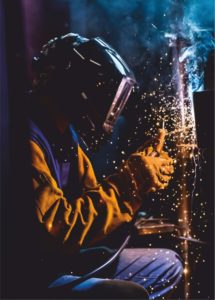
 Hot work is an essential part of industrial and construction operations, encompassing activities such as welding, cutting, grinding, and soldering. While these activities are necessary, they introduce significant risks, including fire hazards, explosions, toxic fumes, and severe injuries. Ensuring proper hot work safety practices is crucial for protecting workers, equipment, and facilities.
This comprehensive guide delves into the importance of hot work safety, the associated risks, best practices, regulatory standards, and preventive measures necessary to mitigate workplace hazards.
Understanding Hot Work
Hot work refers to any task that involves an open flame, high temperatures, or sparks that can ignite combustible materials. It is commonly performed in construction sites, manufacturing plants, shipyards, and oil refineries. Key examples of hot work include:
- Welding – The process of joining metal parts using heat and filler material.
- Cutting – Using a torch or plasma cutter to separate materials.
- Grinding – Removing excess metal using an abrasive wheel, generating sparks.
- Soldering and Brazing – Heating metal joints with molten filler material.
While hot work is vital in numerous industries, it poses substantial risks if not managed effectively.
Major Hazards Associated with Hot Work
The primary dangers linked to hot work include:
- Fire and Explosion Hazards
Hot work generates high temperatures and sparks that can ignite nearby combustible materials, gases, or vapors. Fires can spread rapidly, leading to extensive damage and loss of life.
- Toxic Fume Exposure
Burning metal releases hazardous fumes, including lead, zinc, and cadmium, which can cause severe respiratory problems, neurological issues, and long-term illnesses.
- Burns and Heat Stress
Workers engaged in hot work are exposed to extreme heat, leading to burns, dehydration, and heat-related illnesses such as heat stroke and heat exhaustion.
- Oxygen Deficiency and Asphyxiation
Performing hot work in confined spaces can deplete oxygen levels, creating a suffocation hazard. Additionally, welding and cutting processes may generate harmful gases like carbon monoxide, leading to poisoning.
- Eye and Skin Damage
Exposure to intense UV and infrared radiation during welding can cause eye injuries (arc eye) and skin burns. Without proper protection, workers may suffer severe injuries.
Regulatory Standards for Hot Work Safety
To mitigate these hazards, several international and national safety organizations have established guidelines and regulations. The most prominent include:
- Occupational Safety and Health Administration (OSHA) 29 CFR 1910.252 – OSHA outlines specific fire prevention and protection measures for hot work operations.
- National Fire Protection Association (NFPA) 51B – This standard provides requirements for fire prevention in welding, cutting, and other hot work.
- ISO 11611 & ISO 11612 – These international standards define safety requirements for protective clothing used in welding and allied processes.
Compliance with these regulations is essential to ensure workplace safety and prevent legal consequences.
Best Practices for Hot Work Safety
Implementing robust safety measures is vital to minimizing risks. Here are key best practices:
- Conduct a Hot Work Permit System
A hot work permit system ensures that all necessary precautions are taken before work begins. The process includes:
- Assessing the worksite for hazards
- Obtaining authorization from safety personnel
- Ensuring fire watches and emergency preparedness measures

- Proper Fire Prevention Measures
- Remove Flammable Materials – Ensure that combustible materials are kept at a safe distance (at least 35 feet) from the hot work area.
- Use Fire-Resistant Shields – Employ non-combustible blankets, curtains, or partitions to contain sparks.
- Ensure Fire Extinguishers Are Accessible – Keep fire extinguishers, hoses, and automatic suppression systems nearby.
- Ventilation and Air Quality Control
- Ensure adequate ventilation to prevent the accumulation of toxic fumes and gases.
- Use exhaust hoods, air filtration systems, and respirators when necessary.
- Personal Protective Equipment (PPE)
- Workers performing hot work must wear appropriate PPE, including:
- Flame-resistant clothing (ISO 11611 compliant)
- Welding helmets with proper shading
- Heat-resistant gloves
- Safety goggles to protect against sparks
- Respirators for fume protection
- Training and Awareness
- Conduct regular training on hot work safety, including hazard recognition and emergency response.
- Ensure workers understand the importance of PPE and safe operating procedures.
- Implement Fire Watch Procedures
- Assign a trained fire watch personnel to monitor the work area during and after hot work.
- Maintain vigilance for at least 30-60 minutes post-work to detect any residual fire hazards.
- Hot Work Safety in Confined Spaces
- Performing hot work in confined spaces adds an extra layer of risk. Additional precautions include:
- Conducting atmospheric testing for toxic gases and oxygen levels.
- Using supplied-air respirators or ventilation systems.
- Establishing a confined space rescue plan in case of emergencies..
Conclusion
Hot work is a critical yet hazardous activity that requires strict safety measures to prevent accidents. Organizations must implement fire prevention strategies, ensure worker training, provide adequate PPE, and enforce regulatory compliance.
By fostering a safety-conscious culture and adhering to best practices, workplaces can significantly reduce hot work-related incidents, ensuring the protection of workers and assets. Safety first—every job, every time.