
























































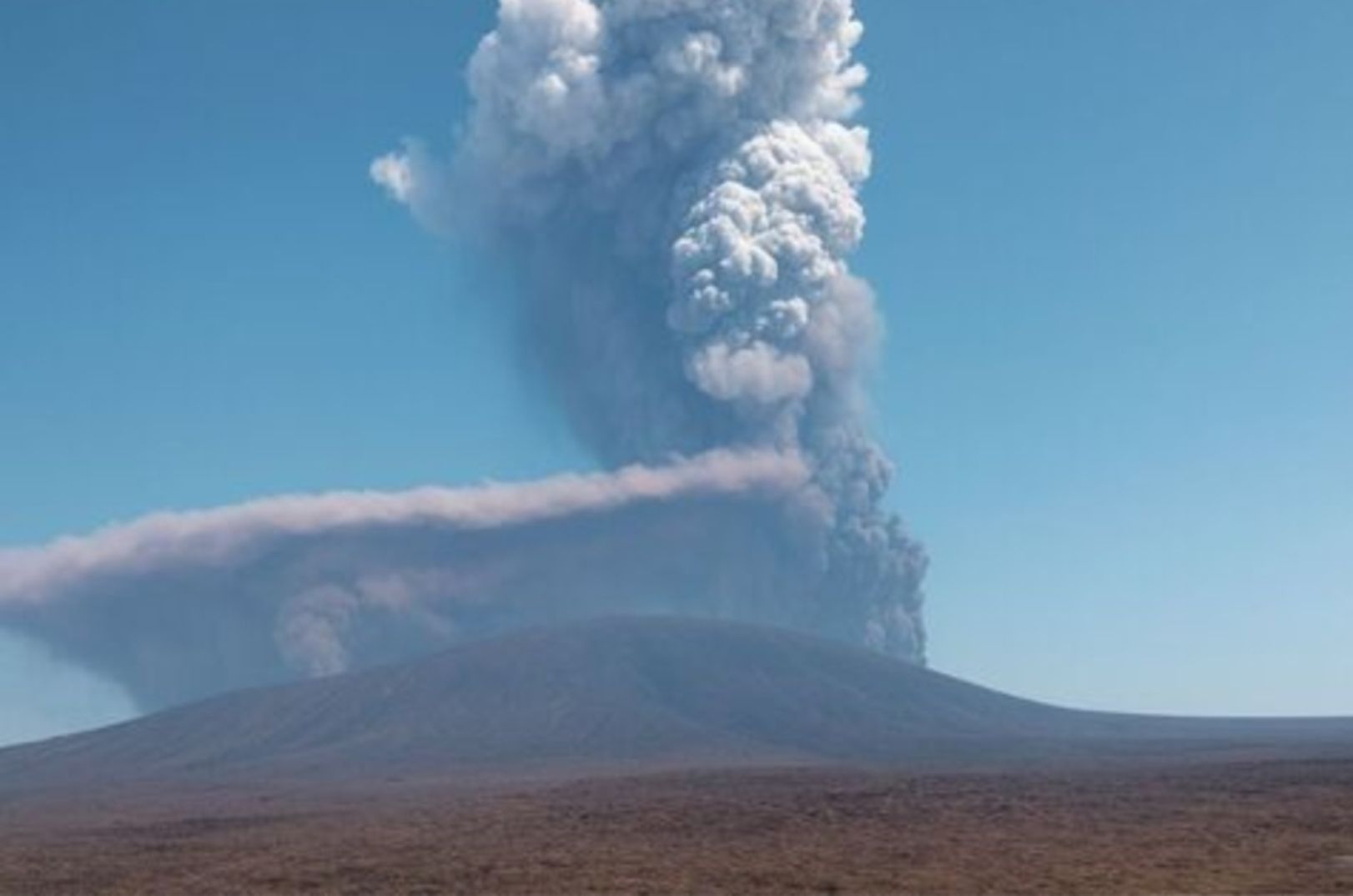
 The sudden eruption of Hayli Gubbi in Ethiopia on 23 November 2025, after nearly 12,000 years of dormancy, presented an unprecedented emergency for local authorities and emergency responders. Despite the remoteness of the affected Afar region, coordinated rescue and relief operations were rapidly mobilized to mitigate the risks to human life, livestock, and infrastructure.
- Immediate Evacuation of Communities
Local authorities prioritized the evacuation of villages closest to the volcanic vents, including Afdera and surrounding settlements. Residents were alerted through a combination of mobile communication, community leaders, and loudspeaker announcements. Evacuation efforts focused on relocating people to temporary shelters set up in safer zones away from lava flows and dense ash fallout. Because the eruption occurred suddenly, teams had to act quickly, guiding residents through ash-laden terrain while ensuring the safety of elderly individuals, children, and livestock. Evacuation routes were cleared by local police and volunteers, preventing delays that could have resulted in casualties.
- Air Quality Monitoring and Respiratory Protection
Volcanic ash and gases such as sulfur dioxide pose immediate respiratory hazards. Relief teams distributed masks and advised residents to stay indoors or in protective areas until the air quality improved. Mobile monitoring units were deployed to track particulate concentration and gas levels, allowing rescue planners to determine which areas could be safely re-entered and when.
- Medical Preparedness and Emergency Care
Medical teams, including regional health officers and NGOs, were placed on standby to treat respiratory distress, eye irritation, and minor burns caused by falling ash or debris. Field medical camps were established near evacuation sites to provide first aid and triage. Any cases of severe exposure were prioritized for transport to hospitals in Semera and other accessible towns in the Afar region.
- Coordination of National and International Agencies
The Ethiopian government coordinated with national disaster management authorities, the Red Cross, and UN agencies to manage relief logistics. Temporary shelters were stocked with food, water, and essential supplies. Satellite imagery and remote sensing data were shared internationally to monitor lava flows, ash dispersion, and potential secondary eruptions, allowing responders to plan routes and prioritize areas for assistance.
- Infrastructure Safety and Transport Management
Rescue teams worked alongside local police to regulate movement on roads and prevent exposure to ash-covered pathways. Aircraft advisories were issued to prevent flights over the ash plume, while ground teams ensured that evacuation routes remained passable despite volcanic debris. Contingency plans were activated to assist communities cut off by ash-laden terrain.
- Protection of Livelihoods and Livestock
In a region heavily dependent on pastoral activities, rescue efforts included moving livestock away from ash-fall zones and securing feed and water sources. Veterinary teams assisted in monitoring the health of animals exposed to ash, ensuring that livelihoods were not irreparably harmed.
- Public Communication and Awareness
 Authorities maintained constant communication with affected populations, providing updates on eruption activity, safe zones, and instructions for avoiding ash inhalation. Social media and radio announcements played a critical role in keeping remote communities informed.
The rescue operations during the Hayli Gubbi eruption demonstrate a coordinated multi-tiered approach: rapid evacuation, medical readiness, protective logistics, and community guidance. While the eruption was unprecedented in living memory, these interventions significantly reduced potential casualties and showcased the importance of preparedness and structured disaster-response systems in volcanic emergencies.