

























































 At READ India, we believe that every individual, regardless of their occupation or location, deserves a safe, dignified and healthy working environment. Occupational safety is often discussed in formal sector spaces, yet the need is equally urgent in rural communities where awareness, access to protective gear and knowledge of safe practices remain limited. Bridging this gap has been central to our mission.
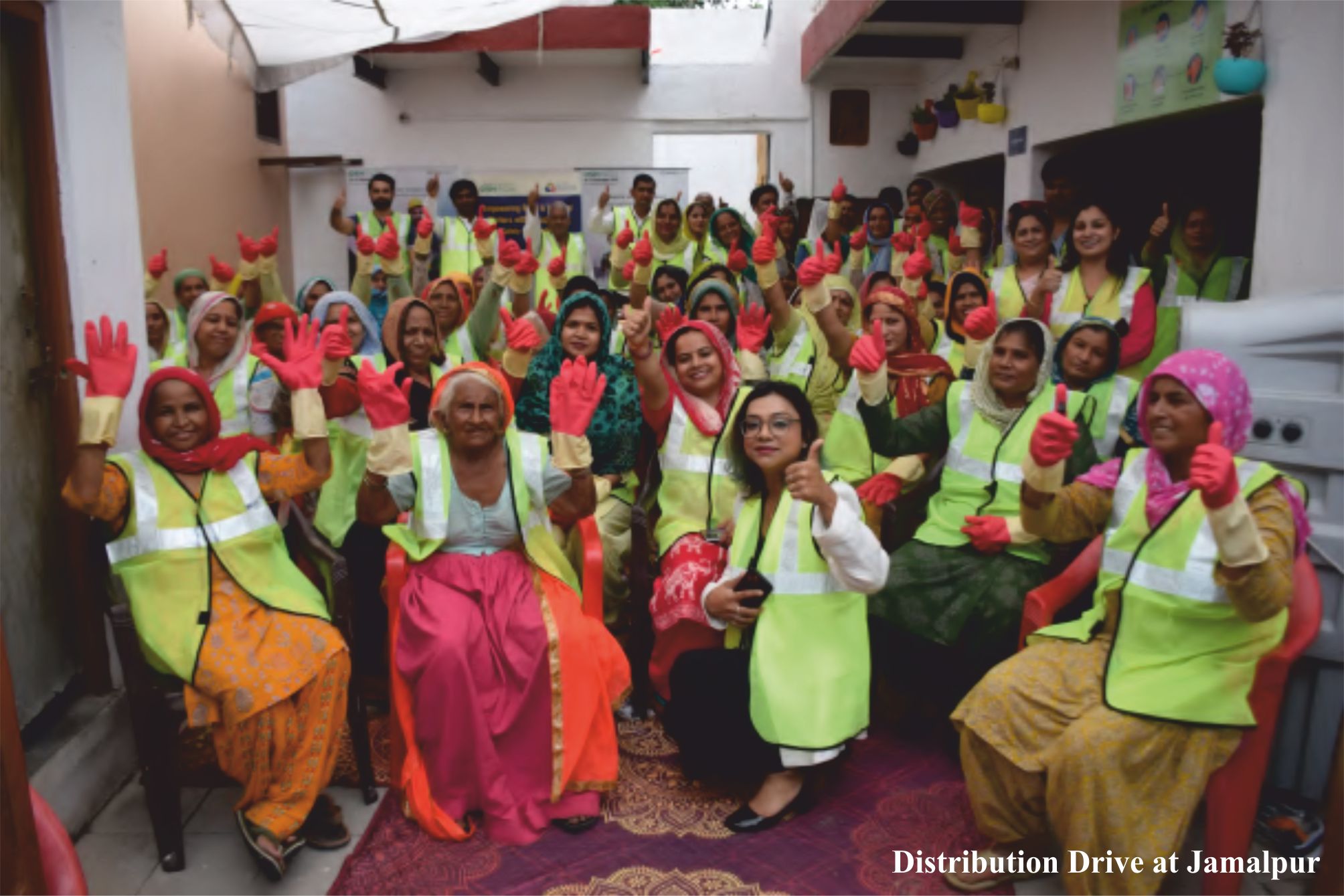
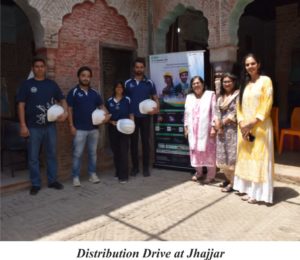
In recent years, READ India has intensified its efforts to strengthen occupational safety awareness among rural communities. In collaboration with OSH India and with the generous support of Aktion Safety and MN Rubber, READ India organised community-focused safety outreach programmes in August 2025. Sessions were held on 5 August in Chainnsa, Hathin Block in Palwal District and on 12 August in Jamalpur, Manesar in Haryana. These sessions focused on preventive safety measures, essential workplace practices and the critical role of personal protective equipment.
During these programmes, reflector jackets and rubber gloves were distributed to community members. This reinforced the message that safety is not a privilege but a fundamental right. Beyond distributing protective gear, the sessions empowered workers with knowledge that can prevent injuries, enhance well-being and uphold dignity in their daily work.
 Despite these efforts, a significant knowledge gap around workplace safety continues to persist at the grassroots level. Many rural and informal sector workers remain unaware of basic safety protocols that could protect their lives and livelihoods. By embedding safety education directly within communities and ensuring access to essential protective equipment, READ India is helping shape a more secure and informed workforce. As we continue addressing existing awareness gaps, our focus remains on promoting a culture where safety is recognised as an essential aspect of dignified work. Continued collaboration and support from stakeholders and corporate partners will strengthen these initiatives and contribute to safer and more resilient rural livelihoods.
These safety efforts are particularly important in the context of India’s demographic transition. More than 60% of the rural population consists of young people seeking meaningful engagement with corporates and public sector units while requiring the necessary skills for employability. Although several skilling initiatives are available, the focus on educating youth about workplace safety and the protection of their lives along with their livelihoods is still limited.
 There is a growing need for more skilling centres that build competencies, enhance awareness, offer hands-on learning and prepare youth for safe and suitable placements. Nonprofit organisations such as READ India play a crucial role by integrating hard skills with soft skills, helping rural youth become job-ready within their own communities. This approach reduces migration, keeps families together and supports socio-economic stability.
As India moves towards a future where the elderly population will increase significantly, the importance of keeping families united becomes even more critical. If young people continue to migrate away from their communities in search of employment, managing the emotional, physical and financial needs of ageing parents will become increasingly difficult.
 READ India works actively to address these challenges through its extensive grassroots presence. With 65 Community Library and Resource Centres across India, each covering more than 20 villages in its radius, READ India currently reaches over 1,300 villages. Nearly 60 per cent of the beneficiaries are youth. This widespread network enables READ India to support communities effectively, strengthen local livelihoods and promote safety and dignity for rural workers and their families.
Dr. Geeta Malhotra
Chief Executive Officer , READ India